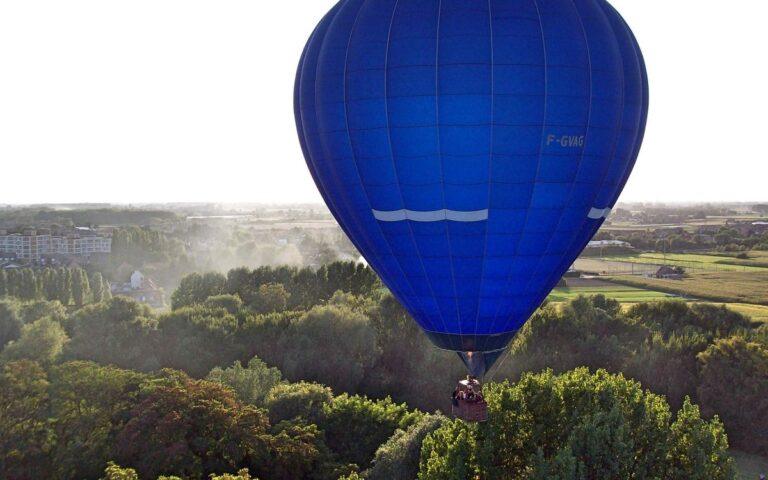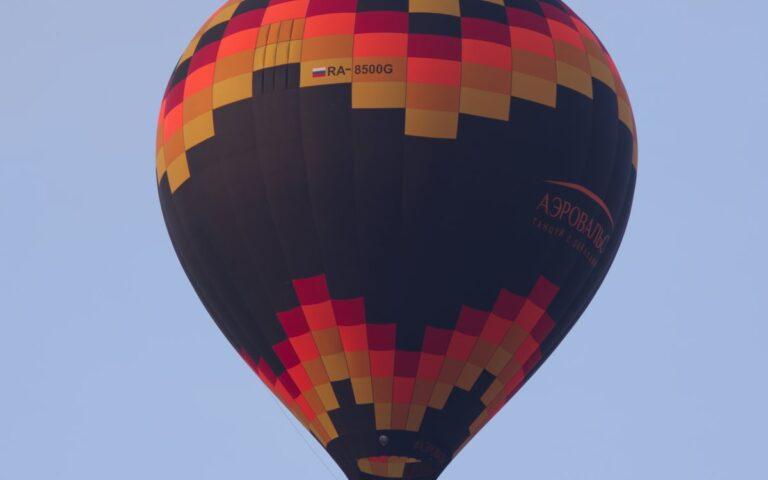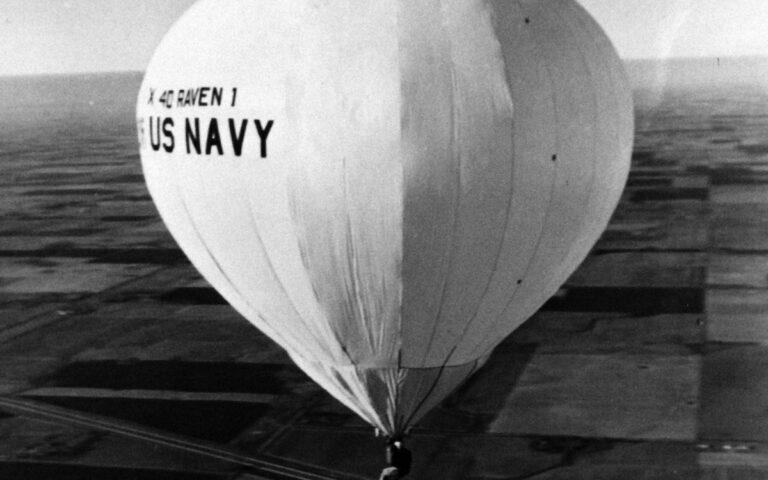
Every sunrise flight we launch here in Worcester starts the same way: a quiet field, a roaring burner, and a pilot who once stood exactly where you might be standing now, wondering how to become a hot air balloon pilot. The good news is that the path is more accessible than most people assume. You don’t need to be a professional aviator or own an airfield. You need patience, a genuine love of flying low and slow, and a willingness to learn one of aviation’s oldest and most graceful skills.
If you’ve ever ridden with us at sunrise and felt that pull to be the one running the burner instead of just enjoying the view, here’s what the journey actually looks like.
Why Hot Air Ballooning Is Different From Other Pilot Paths
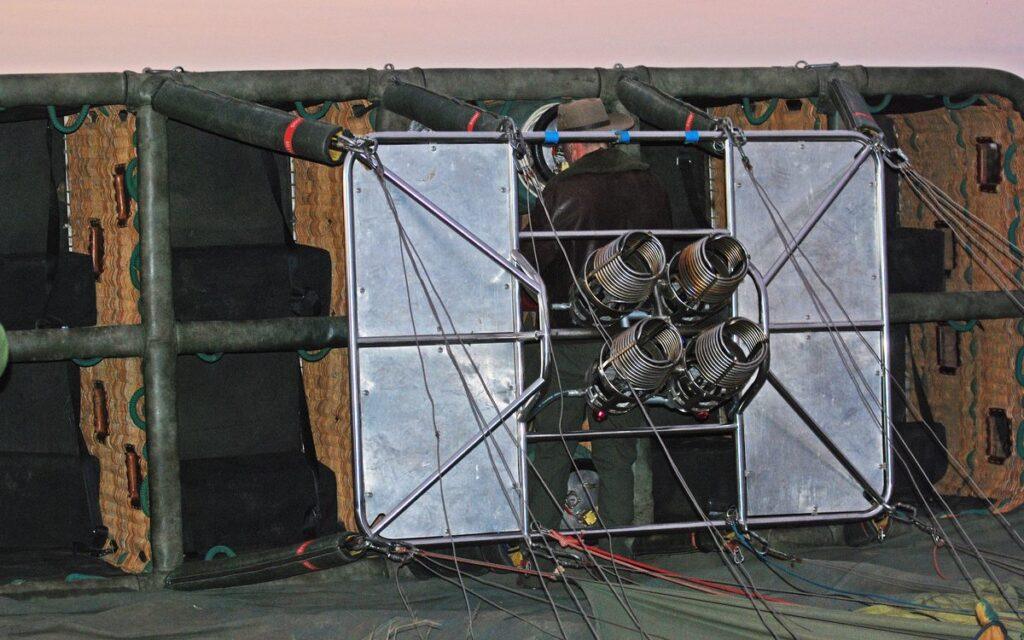
Hot air balloons fly by managing buoyancy and wind rather than by steering with a control surface. There’s no rudder, no ailerons, no way to simply turn left. A balloon pilot reads the sky, forecasts wind layers at different altitudes, and manages a wonderfully simple machine: an envelope, a burner, and a basket. That simplicity is part of the appeal, but it also means the skills you build are unlike anything you’d learn in an airplane.
Because of this, the Federal Aviation Administration treats “lighter-than-air” flying as its own category, separate from airplanes and helicopters. Within that category, pilots earn a class rating in either hot air balloons or gas balloons, and hot air pilots are further rated for balloons with an airborne heater (the kind used for passenger rides) versus the rare gas-burner-in-basket configuration.
How to Become a Hot Air Balloon Pilot: The FAA Path
The core process for how to become a hot air balloon pilot runs through 14 CFR Part 61, the same regulation that governs every other pilot certificate in the country. In broad strokes, you will need to:
- Find a certificated flight instructor with a lighter-than-air rating (many are based near active balloon clubs or commercial ride operations)
- Log ground and flight training that covers weather interpretation, aerostatics, launch and landing site selection, and emergency procedures
- Fly supervised solo flights once your instructor signs you off as ready
- Pass a written knowledge test covering regulations, weather, and balloon systems
- Pass an oral exam and practical flight test, known as a checkride, with an FAA-designated examiner
One detail surprises almost everyone: balloon and glider pilots are not required to hold an FAA medical certificate. Because ballooning is inherently self-limiting in speed and typically flown in calm morning conditions, the FAA instead relies on the pilot’s own honest self-assessment of fitness to fly, the same standard used for driving a car. It’s one of the reasons ballooning attracts such a wide range of ages and backgrounds.
Private Versus Commercial Certificates
A private balloon pilot certificate lets you fly for personal enjoyment and share the cost of a flight with friends, but it does not allow you to sell rides. If your goal is to fly for a company like ours, or eventually run your own operation, you’ll need a commercial certificate, which requires additional flight experience and a more thorough checkride focused on operating with passengers aboard.
What Training Actually Feels Like
Ground school for ballooning covers a surprising amount of meteorology. You’ll spend real time learning to read surface winds, temperature inversions, and the layers of air a pilot can use to gently change direction by adjusting altitude. You’ll also study the specific systems of the aircraft: propane fuel management, envelope fabric and rip panels, basket construction, and the physics of hot air lift.
Flight training itself typically happens at dawn, when winds are calmest and most predictable. Early flights focus on basic burner control and maintaining altitude, then progress into approach and landing technique, since a balloon pilot must select a landing site on the fly, often adapting within seconds as ground winds shift. Crew work is part of the package too. Every flight needs a chase crew to track the balloon, coordinate with landowners, and help pack up, so many student pilots start out crewing for an experienced pilot long before they ever step into the basket themselves.
Building the Judgment That Makes a Good Pilot
Passing the checkride is a milestone, not a finish line. The pilots we admire most keep building judgment for years afterward: knowing when a forecast that looks fine on paper actually isn’t flyable, understanding how a particular field’s terrain will affect the wind on approach, and developing relationships with landowners who welcome balloons back season after season.
Joining a local ballooning community accelerates all of this. Clubs and commercial crews are usually happy to bring on enthusiastic newcomers, and the Balloon Federation of America maintains resources for pilots at every stage, from first solo to competition flying. If you’re in New England, plenty of pilots got their start exactly the way you might: riding along, then crewing, then training.
Frequently Asked Questions
How long does it take to become a hot air balloon pilot?
It varies with weather and how often you can fly, since balloon training depends on calm dawn and dusk conditions. Many student pilots complete their private certificate over the course of a season or two, fitting flights in whenever conditions cooperate.
Do I need to be in excellent physical shape?
No. Ballooning is accessible to a wide range of ages and fitness levels. There’s no FAA medical certificate requirement, and the physical demands are more about helping with setup and packing than any kind of strenuous exertion in flight.
Can I try ballooning before committing to training?
Absolutely, and it’s the best way to find out if you love it. Booking a sunrise ride is how most working pilots we know first fell for the sport. If you have questions about what a flight involves before you book, our frequently asked questions page covers everything from what to wear to how landings actually work.
Is ballooning expensive to get into?
Training costs vary by region and instructor, and are generally comparable to other specialty pilot certificates. Many pilots offset costs by crewing in exchange for reduced-rate instruction, which also happens to be one of the best ways to learn the craft hands-on before you’re the one holding the burner valve.
Whether you end up chasing a certificate or simply chasing sunrises with us, ballooning has a way of pulling people in for good. If a ride is the first step on your own path to becoming a pilot, we’d love to have you aboard for one of our Worcester-area sunrise flights.