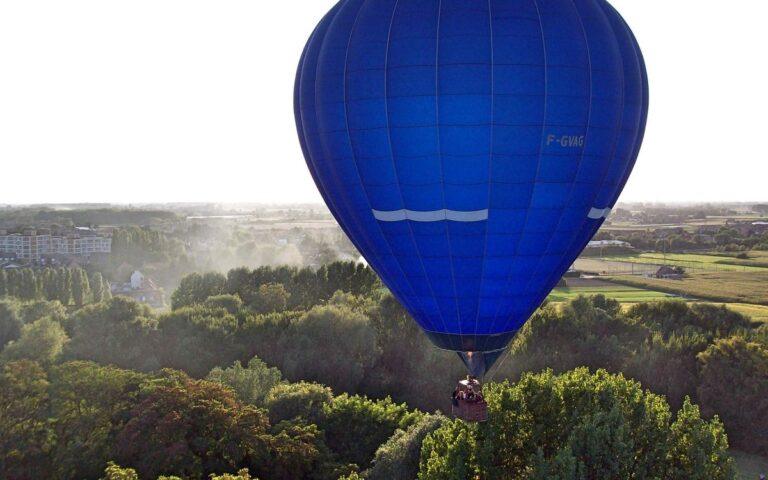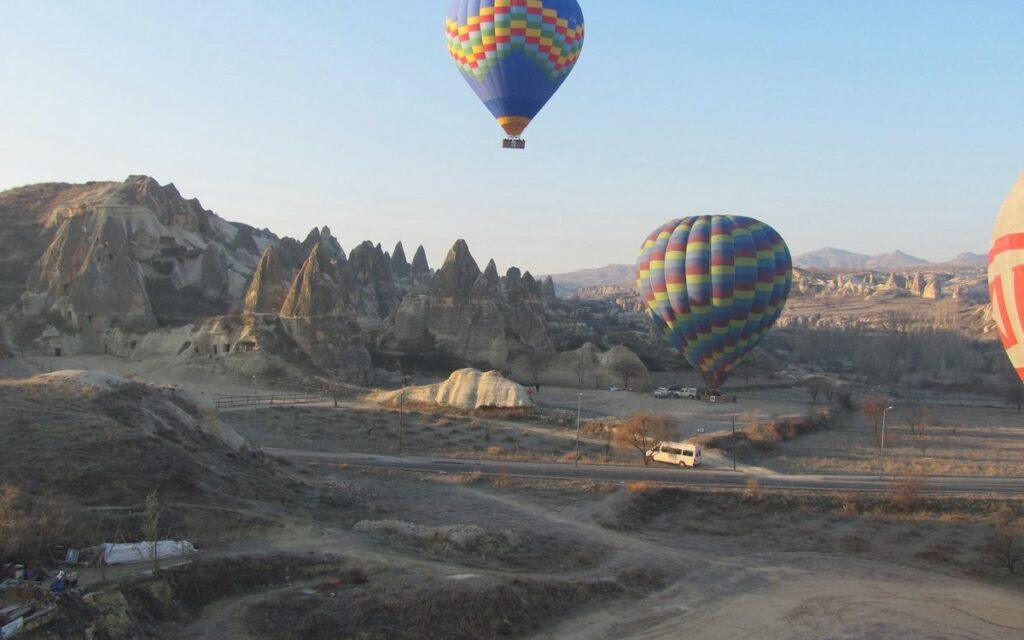
Picture this: you’re floating a thousand feet above the Massachusetts countryside, the only sound is an occasional whoosh from the burner, and you start wondering how do hot air balloons land when there’s no steering wheel, no brakes, and no runway. It’s a fair question, and the answer is one part physics, one part skill, and one part quiet teamwork on the ground.
At Wicked Balloons, we’ve flown sunrise trips over Worcester County for years, and landing is the part first-time flyers ask about most. The good news: balloon landings are methodical, well-practiced, and far gentler than people expect.
How Do Hot Air Balloons Land? The Basics
A hot air balloon flies because the air inside its envelope is heated by a propane burner, making it lighter than the air outside. To descend, the pilot simply lets that air cool, or releases some of it through a vent at the top of the envelope. Less lift means the balloon sinks, and the pilot fine-tunes the rate of descent with short bursts of the burner to slow things down right before touchdown.
There’s no engine and no way to steer left or right in the way a car or plane can. Balloons move with the wind, so a big part of landing safely is planned well before the balloon ever gets close to the ground.
Reading the Wind at Different Altitudes
Wind direction and speed often change with altitude. An experienced pilot uses this to their advantage, climbing or descending gradually to catch a layer of air moving toward a good landing spot. Think of it less like driving and more like sailing: you can’t fight the wind, but you can work with it.
Choosing the Right Spot to Land
Long before the burner goes quiet for the final descent, the pilot is already scanning the terrain below for a suitable landing site. Ideal spots include:
- Open hayfields or pastures with short vegetation
- Areas clear of power lines, fences, and tall trees
- Ground that’s reasonably level and dry
- A spot with road access so the chase crew can reach the balloon quickly
Every flight has a ground crew following along by vehicle, tracking the balloon’s position and staying in radio contact with the pilot. When a landing site is chosen, the crew heads there to help secure the basket the moment it settles.
The Final Approach
As the balloon descends toward the chosen field, the pilot manages both altitude and forward speed. Short burner blasts slow the sink rate, while venting hot air through the top parachute valve keeps things from ballooning back upward at the wrong moment. Passengers are asked to bend their knees slightly and hold the basket’s handles, similar to bracing for a firm landing on a small boat.
Most landings are a smooth, sliding stop, sometimes with a gentle bump or two if there’s a bit of wind pushing the basket along the grass. On calm mornings, which is exactly the kind of weather we look for on our sunrise balloon rides, touchdowns are often so soft that passengers are surprised it’s already over.
What Happens After Touchdown
Once the basket is down, the ground crew grabs hold to keep it from tipping or dragging in any lingering breeze. The pilot finishes venting the remaining hot air from the envelope, and within a few minutes the balloon is deflated and ready to be packed up. It’s tradition in ballooning to celebrate a safe flight with a toast afterward, a custom that dates back to the earliest days of ballooning in France.
Why Weather Timing Matters So Much
This is really the heart of how hot air balloons land safely: the whole flight, from launch to landing, is planned around calm, predictable weather. That’s why balloon flights happen almost exclusively at sunrise or in the couple of hours before sunset, when winds are lightest and most stable. A pilot who sees gusty, shifting conditions in the forecast simply won’t fly that day, no matter how excited passengers are to go up.
This is also why we ask guests to stay flexible with scheduling when they book a reservation with us. Rescheduling because of wind isn’t overcaution, it’s the same careful judgment that makes every landing routine rather than risky.
A Brief Nod to Ballooning History
Hot air ballooning has been figuring out safe landings since the very beginning. When the Montgolfier brothers launched the first untethered hot air balloon flight over Paris in 1783, the basic principles were already in place: heat air to rise, cool or vent it to descend, and pick your landing spot as you go. More than two centuries later, modern envelopes, burners, and weather forecasting have made the process far more precise, but the underlying idea hasn’t changed a bit.
Frequently Asked Questions
Do hot air balloon landings hurt?
No. Most landings are smooth, with passengers simply asked to bend their knees and hold on as the basket settles into the grass. Any bump is usually gentle, similar to a light landing in a canoe.
Can a hot air balloon land anywhere?
Not quite anywhere, but pilots have a lot of flexibility. They look for open fields away from power lines and obstacles, and a chase crew is always tracking the flight to reach whatever spot the pilot chooses.
What happens if there’s no good landing spot nearby?
Pilots plan well ahead and use different wind layers at different altitudes to steer toward better terrain. Balloon flight paths are chosen with landing options in mind from the start, which is part of why flights only launch in calm, predictable weather.
Why do balloon rides happen so early in the morning?
Winds are calmest near sunrise and in the evening, which makes both flying and landing safer and more predictable. It’s also simply a beautiful time to be in the air.
Landing a hot air balloon is less about a single dramatic moment and more about a string of small, well-practiced decisions made throughout the flight. If you’ve ever wondered what that process looks and feels like from the basket, there’s no substitute for experiencing it yourself. Check out our frequently asked questions page for more on what to expect before you book your first flight with us.