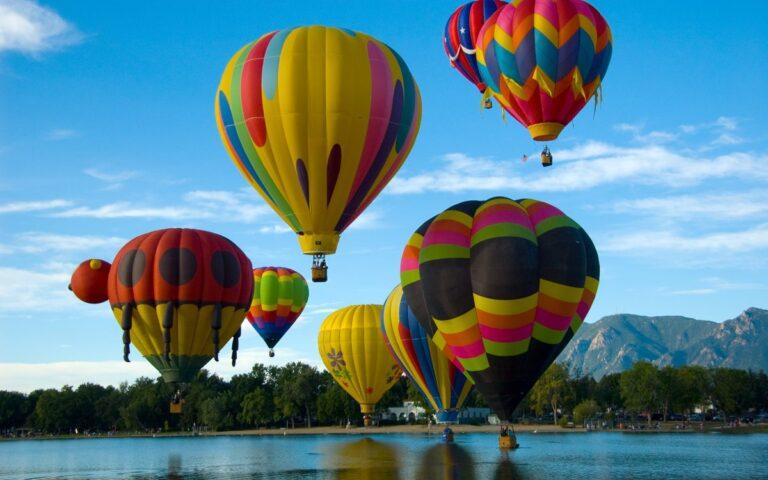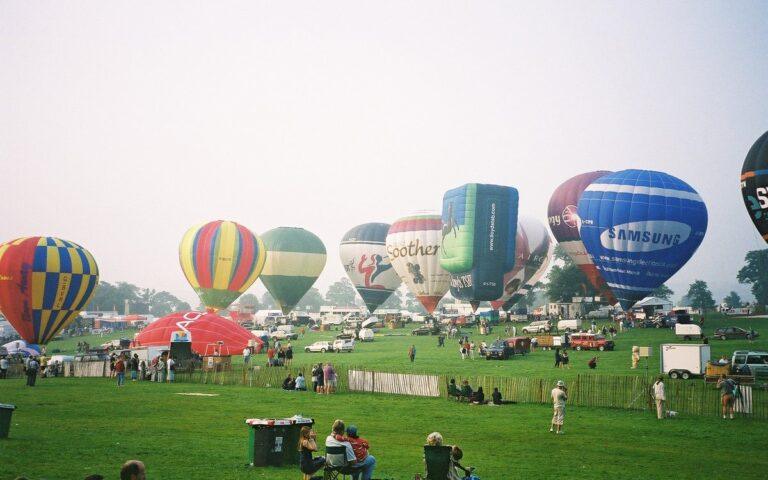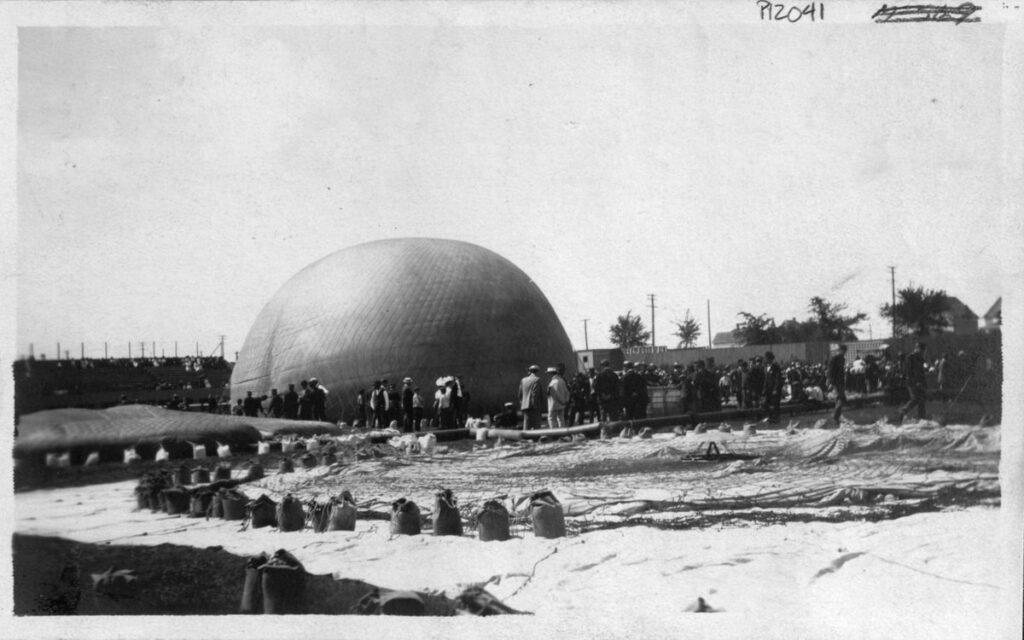
Ask a first-time festival spectator how are special shape balloons made, and you’ll usually get a shrug and a look of pure wonder as a giant cow, a rocket ship, or a smiling cartoon character rises into the sky. The truth is more technical than magical, though the end result never stops feeling like magic. Building a custom-shaped hot air balloon is a months-long process that blends engineering, textile fabrication, and old-fashioned artistry, and it starts long before anyone ever touches a bolt of fabric.
At Wicked Balloons, we spend as much time thinking about special shapes as we do flying our sunrise rides over Worcester and the rest of New England. Whether it’s a corporate mascot floating over a stadium or a whimsical shape stealing the show at a balloon festival, the design and build process follows a surprisingly consistent path.
It Starts With a Sketch, Not a Sewing Machine
Every special shape balloon begins as a flat drawing. Designers translate a client’s idea, a logo, a product, an animal, a character, into a three-dimensional form that also has to behave like a proper hot air balloon underneath. That second part is the hard part.
A standard balloon is essentially a big, round-ish envelope with a simple gore pattern (the vertical fabric panels that run from the crown to the mouth). A special shape has to keep that same aerodynamic logic hidden inside a completely different silhouette. So the design phase is really an exercise in disguise: how do you make a giant hot dog, a hummingbird, or a bottle of soda still function as an efficient, stable hot air balloon?
Computer Modeling Takes Over From Pencil and Paper
This is where the answer to how are special shape balloons made gets genuinely technical. Modern manufacturers use specialized computer-aided design software to build a 3D digital model of the shape, then mathematically “unroll” that model into hundreds of individual flat fabric panels, the way a mapmaker flattens a globe. Each panel gets its own unique pattern, precisely calculated so that when they’re all sewn back together, the fabric pulls taut into the intended shape once the balloon is inflated and under pressure.
A simple round balloon might use a few dozen gore panels. A detailed special shape, especially one with limbs, appendages, or sharp features like ears, horns, or a nose, can require many hundreds of individually cut and numbered panels, each one different from its neighbor.
Cutting, Sewing, and the Sheer Scale of the Job
Once the pattern is finalized, fabric cutting begins. Balloon envelopes are made from lightweight, tightly woven nylon or polyester, coated to hold air and resist the heat near the top of the balloon where temperatures run highest. Panels are cut, often with computer-guided cutting tools for accuracy, then bundled and labeled so the sewing team can find the right piece among what might be thousands of scraps of fabric.
The sewing itself is a serious undertaking. A large special shape balloon can take a skilled team many weeks of steady labor to assemble, stitching panel after panel along load-bearing seams reinforced with webbing so the whole structure can handle the strain of flight. Some details, a character’s eyes, a company logo, a product’s distinctive color scheme, are appliquéd on as separate pieces of fabric rather than printed, which keeps the artwork crisp and durable for years of flying.
Special features add their own complexity:
- Protruding shapes like arms, ears, or antennae need internal structure or extra bracing so they hold their form in flight and don’t collapse or flap in the wind.
- Load tapes, the vertical reinforcing straps that carry the weight of the basket, have to be routed carefully through an irregular shape rather than the simple radial pattern used on a round balloon.
- Color-blocking and fine detail work require far more seams and separate fabric pieces than a standard striped envelope.
- Ventilation and deflation systems still have to work exactly as they would on any balloon, no matter how oddly shaped the envelope is.
Testing Before the First Flight
Before a special shape ever carries passengers or makes its debut at an event, it goes through inflation testing, first cold (with just a fan, no burner) to check the pattern and seams, then hot, to confirm it flies true, holds its shape at altitude, and handles the way any airworthy balloon should. Balloons built for commercial or passenger use also go through the same certification and inspection standards as any other hot air balloon, regardless of how unusual the envelope looks from the ground.
Why Companies Choose Custom Shapes
Special shapes aren’t just for balloon festivals. For decades, companies have commissioned custom envelopes shaped like their products, mascots, or logos as a form of aerial advertising that’s nearly impossible to ignore. A giant, unmistakably branded shape drifting silently over a city or a stadium parking lot draws eyes, phones, and conversation in a way that a billboard never could. If you’re weighing options for a memorable brand activation, our custom advertising balloon program walks through how that process works from concept to launch day.
Frequently Asked Questions
How long does it take to build a special shape balloon?
It varies with size and detail, but most custom shapes take several months from final design approval to a completed, certified envelope, accounting for pattern design, fabric sourcing, cutting, and the many weeks of sewing required for a large, detailed shape.
Are special shape balloons as safe as regular hot air balloons?
Yes. Special shapes are built to the same airworthiness and inspection standards as any other hot air balloon. The unusual exterior is essentially a shell built around the same proven envelope engineering, burner systems, and basket rigging used on standard balloons.
Can any shape be turned into a balloon?
Almost any shape can be adapted, but designers have to work within the physics of hot air flight. Very thin or sharply angled features get simplified or reinforced so the balloon still inflates cleanly, holds pressure, and flies predictably.
Do special shape balloons fly the same way as round balloons?
For the most part, yes. Pilots still control altitude with the burner and steer by finding favorable wind layers. Some unusually shaped envelopes can be a bit more sensitive to wind and turbulence near the ground because of their irregular profile, so pilots flying them typically have specific experience with that particular shape.
The next time a giant pumpkin, a soaring eagle, or a floating soda can catches your eye at a festival, you’ll know there’s a small army of designers and stitchers behind that moment, turning flat fabric and careful math into something that feels like pure wonder in the sky. If you’d rather experience flight the classic way, our sunrise balloon rides over Worcester offer that same sense of wonder without the special-shape complexity.