Long before rockets or airplanes, one shape already meant “adventure”: a great round envelope of fabric, rising slowly and silently into the sky. Hot air balloon symbolism has been woven into art, advertising, and storytelling for over two centuries, and the reasons behind it are more interesting than most people realize.
At Wicked Balloons, we think about this every time we inflate a balloon at sunrise over Worcester County. There’s a reason people gasp and reach for their phones. The balloon isn’t just a way to see the world from above — it’s a shape that has carried meaning since the very first flight.
Where Hot Air Balloon Symbolism Began
The story starts in France in 1783. The Montgolfier brothers, Joseph-Michel and Jacques-Étienne, launched the first public demonstration of a hot air balloon in Annonay that June. Later that year, Jean-François Pilâtre de Rozier and the Marquis d’Arlandes became the first humans to fly, drifting over Paris in a Montgolfier balloon on November 21, 1783.
That flight happened only a few decades after the Age of Enlightenment had convinced Europe that human reason could unlock nature’s secrets. A balloon rising over rooftops was living proof. Crowds who watched it ascend weren’t just seeing a new machine — they were seeing the boundary between earth and sky get erased in real time. That single afternoon planted the seed for everything the balloon would come to represent.
Freedom, Escape, and the Pull of the Horizon
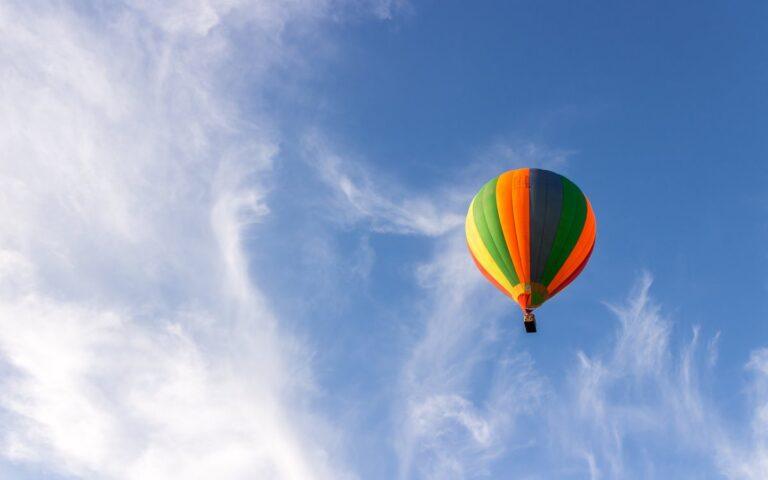
Ask most people what a hot air balloon means to them, and “freedom” is usually the first word out of their mouth. Unlike a train or a car, a balloon has no fixed route. It goes where the wind takes it, and the pilot’s job is less about steering and more about reading the air and choosing an altitude. That surrender to the wind is precisely what makes the image so powerful.
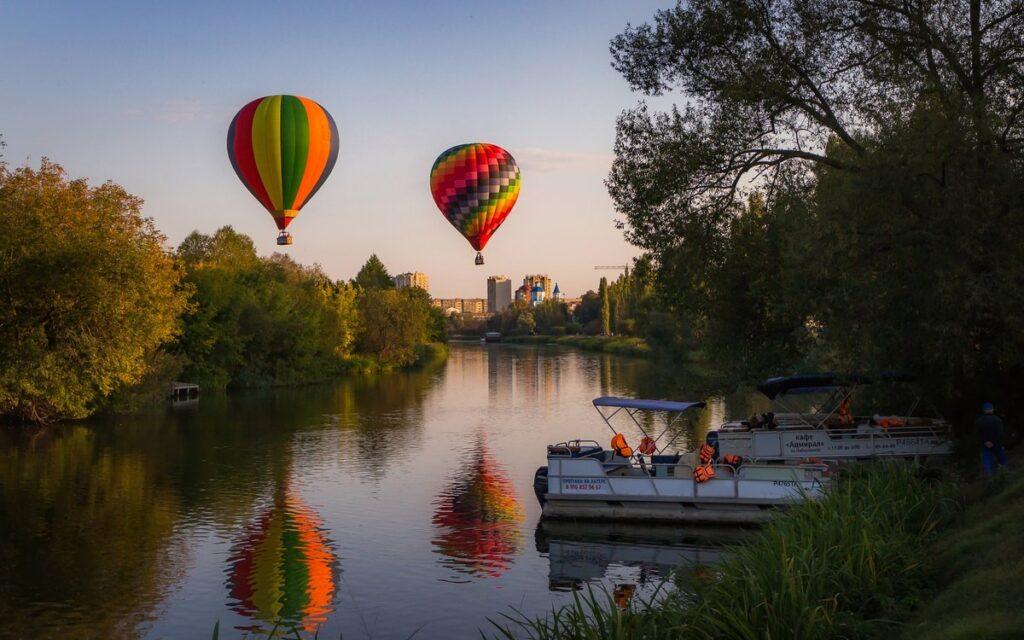
There’s also the matter of scale. From a balloon basket, farms become quilts, rivers become ribbons, and the noise of daily life falls away. That shift in perspective is why the balloon shows up again and again in stories about:
- Childhood wonder and first journeys, from picture books to classic films
- Grand adventure and exploration, echoing real round-the-world flight attempts
- Letting go of what weighs you down, both literally and emotionally
- Celebration and milestone moments, like weddings, birthdays, and anniversaries
None of that symbolism is accidental. It comes directly from what flying in a basket actually feels like: quiet, slow, and strangely liberating.
A Shape That Advertising and Art Never Let Go Of
Balloons found their way into commerce almost as fast as they found their way into the sky. By the late 1800s, gas balloons were already being used to draw crowds at fairs and expositions, and it wasn’t long before company names started appearing on the envelopes themselves. The shape was eye-catching, friendly, and impossible to ignore against an open sky, which made it a natural fit for branding long before “marketing” was even a common word.
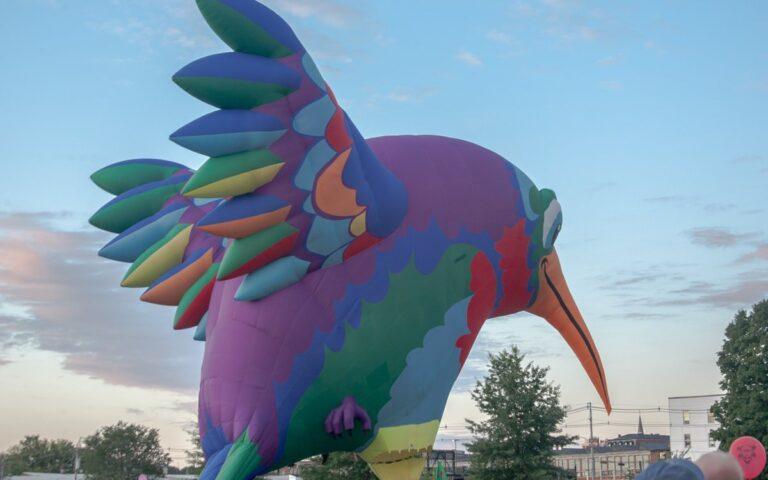
That tradition is very much alive today. Special-shape balloons and advertising balloons still turn heads at festivals and corporate events for the same reason they did over a century ago: nothing else floats. A blimp needs an airfield. A billboard stays put. A balloon can hover directly over the people you want to reach, and it does so with a shape that already carries a positive, aspirational feeling before a single logo is added.
The Balloon on Screen
Film and television have leaned on hot air balloon symbolism for the same emotional shorthand for decades — a balloon on screen almost always signals adventure, escape, or a turning point in a story. Wicked Balloons has supplied balloons and pilots for film and television productions for exactly this reason: when a director needs that unmistakable image of lift-off and possibility, nothing communicates it faster than a real balloon rising into frame.
Why the Symbolism Still Resonates Today
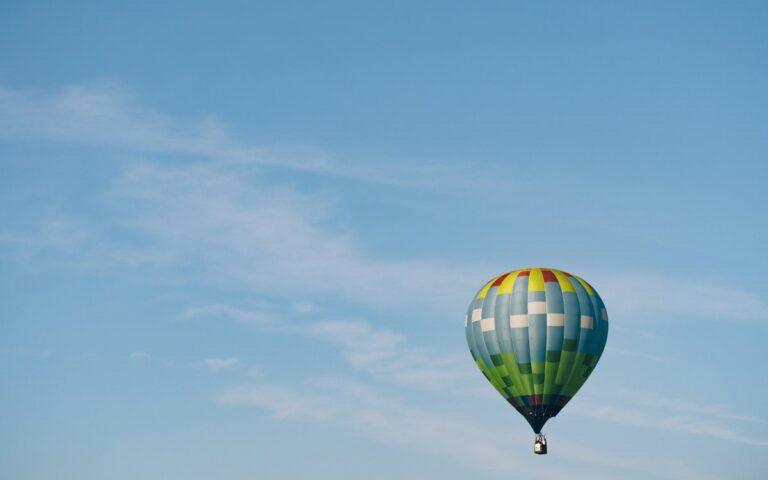
You’d think a 240-year-old invention would feel dated by now, especially in an era of jets and spacecraft. Instead, the balloon has held its emotional ground. Part of that is simplicity: a balloon has no visible engine, no roar, no exhaust. It just rises, powered by nothing more complicated than heated air and a skilled pilot’s judgment. That simplicity reads as honest and human in a way that more mechanized flight never quite manages.
Part of it, too, is the ritual around a flight. Sunrise launches, the roar of the burner, the slow float over farmland or coastline — these details haven’t changed much since ballooning became a recreational pursuit in the twentieth century. Passengers still describe the same mix of nerves and awe that early balloonists wrote about in their journals. That continuity is rare, and it’s part of why the image still feels timeless rather than antique.
Experiencing the Symbolism Firsthand
Reading about hot air balloon symbolism is one thing. Standing in a basket as the ground quietly falls away is another. There’s a reason so many people describe their first flight as a genuinely emotional experience rather than just a scenic one — the sense of freedom that artists and advertisers have borrowed for two centuries is something you actually feel once you’re airborne.
If you’ve never gone up, a sunrise flight over New England is a good place to start. Calm morning air, long shadows across the countryside, and that unmistakable quiet once the burner goes silent make for the kind of experience the symbolism has always been pointing toward. You can look into upcoming balloon rides to see it for yourself.
Frequently Asked Questions
Why is the hot air balloon such a common symbol of adventure?
It combines several powerful ideas at once: freedom from a fixed path, a dramatic shift in perspective, and a sense of quiet wonder. Since the first manned flight in 1783, those qualities have made the balloon a natural stand-in for exploration and possibility in art, literature, and film.
Who flew the first hot air balloon?
The Montgolfier brothers built and demonstrated the first hot air balloons in France in 1783. The first free flight carrying humans took place that November, with Jean-François Pilâtre de Rozier and the Marquis d’Arlandes aboard.
Why do balloons still get used for advertising and film?
A balloon is visible for miles, holds attention in a way a static sign can’t, and carries a built-in emotional association with adventure and celebration. Those same qualities that make it a good advertising balloon make it useful on camera, which is why productions still request real balloons rather than relying on visual effects.
Does the symbolism match the real experience of flying?
Very closely, according to most first-time passengers. The quiet, the slow drift, and the shift in perspective that show up in stories and paintings are the same sensations people describe after an actual flight, which is part of why the image has stayed so consistent for over two centuries.
Two hundred and forty years after that first flight over Paris, the balloon still means the same thing it always has: a chance to rise above the ordinary and see the world with fresh eyes. That’s as true in a movie scene as it is on a quiet morning launch field in Massachusetts.