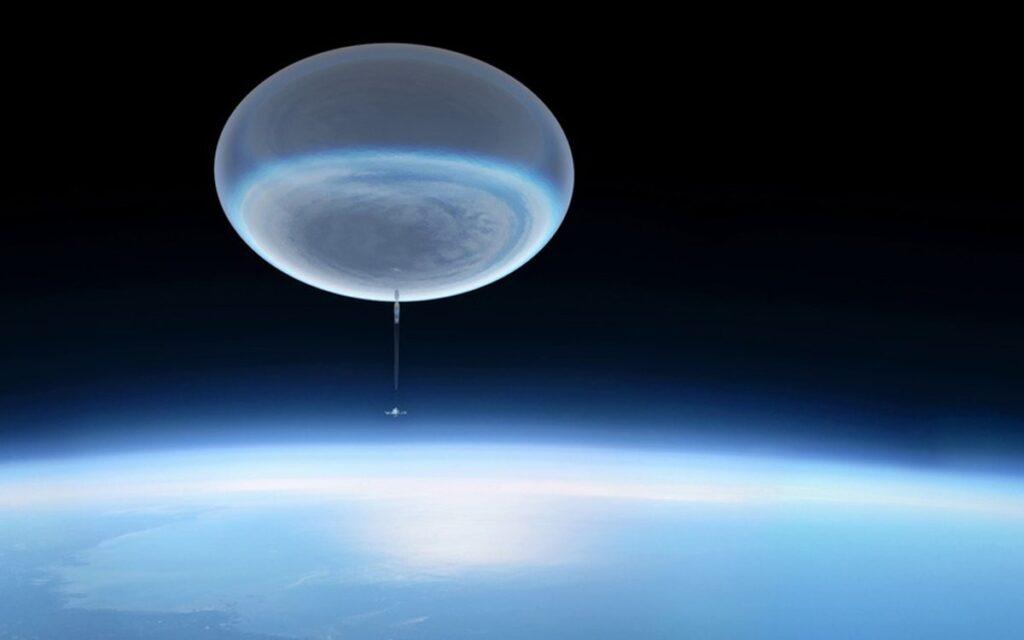
Somewhere above the clouds, where the sky turns from blue to nearly black and the curvature of the earth becomes visible, one pilot rewrote the record books. The highest hot air balloon flight ever recorded climbed to an altitude of more than 69,000 feet, well into the stratosphere and higher than most commercial jets will ever fly. It is one of those aviation records that sounds almost impossible until you look at the details, and as balloon pilots ourselves, we never tire of telling the story.
At Wicked Balloons, we spend our mornings drifting a few thousand feet over the hills and farmland of central Massachusetts, so a flight into the stratosphere is a different animal entirely. But the same basic principle applies: hot air rises, and with the right envelope, the right gear, and a lot of nerve, a balloon can go a very long way up.
The Record: How High Can a Hot Air Balloon Actually Go
The record for the highest hot air balloon flight belongs to Vijaypat Singhania, an Indian industrialist and passionate balloonist, who took off from Mumbai on November 26, 2005. Flying a specially built Cameron Balloons envelope, he climbed to an altitude of roughly 21,000 meters, or about 69,000 feet, before beginning his descent. That is nearly twice the cruising altitude of a typical airliner, and it remains the officially recognized record for the highest hot air balloon flight to this day.
To put that number in perspective, our sunrise flights here in Worcester County typically top out around 3,000 to 5,000 feet, high enough to see the Boston skyline on a clear day but nowhere near the edge of space. Singhania’s balloon reached an altitude where the air is so thin that unassisted breathing is impossible and temperatures can drop to nearly seventy degrees below zero.
What It Takes to Fly That High
Reaching a record altitude is not simply a matter of adding more propane. At extreme heights, a hot air balloon faces a completely different set of engineering problems than the ones we deal with on a calm New England morning.
- A pressurized capsule. Record-altitude pilots fly inside a sealed, pressurized gondola rather than an open wicker basket, since the outside air is far too thin to breathe.
- A massive envelope. The higher a balloon goes, the thinner the air becomes, so the envelope must be enormous to generate enough lift. Record balloons like Singhania’s are built many times larger than a typical sightseeing balloon.
- Specialized materials. Extreme cold and intense ultraviolet exposure at altitude demand fabrics and seals that can survive conditions far harsher than anything encountered in normal flight.
- Oxygen and life support systems. Pilots wear pressure suits or rely on cabin pressurization, similar to systems used in high-altitude aircraft.
- A narrow weather window. Wind shear and jet stream currents at altitude mean these flights are planned around very specific, very brief windows of calm upper-atmosphere conditions.
A Long History of Chasing the Sky
Singhania’s flight did not happen in a vacuum. Balloonists have been pushing the ceiling of what is possible since the earliest days of aviation. In 1988, Swedish balloonist Per Lindstrand set what was then the record for the highest hot air balloon flight, reaching an altitude of nearly 65,000 feet over Texas in a balloon built for exactly this kind of attempt. That record stood for close to two decades before Singhania surpassed it.
It is worth noting that these stratospheric attempts are a different discipline from gas balloon altitude records, which use helium or hydrogen rather than heated air and have reached even more extreme heights in vehicles like Felix Baumgartner’s Red Bull Stratos capsule. When people talk about the highest hot air balloon flight specifically, they mean an envelope heated by burners, not a sealed gas balloon, and that distinction matters to the record books.
Why These Flights Still Matter to Everyday Pilots
You might wonder what a record set over Mumbai two decades ago has to do with a sunrise flight over Worcester. The truth is, every advance in balloon fabric, burner efficiency, and flight planning trickles down over time. The same curiosity and respect for the atmosphere that drives record attempts is what keeps every balloon pilot, including our crew, studying wind patterns and weather data before every single launch.
Our team has been flying and building balloons in New England for years, and we still find the physics of it endlessly fascinating. If you would like to learn more about our crew and how we approach every flight, our team’s story is on our about page.
Frequently Asked Questions
What is the highest hot air balloon flight ever recorded?
The record belongs to Vijaypat Singhania, who reached an altitude of roughly 69,000 feet over Mumbai, India, on November 26, 2005, flying a specially designed Cameron Balloons envelope.
How does that compare to a typical sightseeing balloon flight?
Most passenger balloon rides, including the sunrise flights we operate, cruise in the range of a few thousand feet above the ground. A record altitude flight climbs into the stratosphere, roughly twelve to thirteen times higher, and requires a pressurized capsule and life support equipment that a standard balloon basket does not carry.
Do pilots need oxygen at those altitudes?
Yes. At extreme altitude the air is too thin to breathe and far too cold to survive unprotected, so record pilots fly in pressurized or sealed capsules with supplemental oxygen, much like equipment used in high-altitude military and research aircraft.
Could a balloon like the ones Wicked Balloons flies reach that height?
No. Standard hot air balloons and baskets, like the ones we use for scenic rides, are designed for low-altitude flight and are not built or equipped for the extreme cold, pressure, and oxygen demands of the stratosphere. Record attempts use purpose-built envelopes and capsules developed specifically for that goal.
Records like this one remind us just how much room there still is to be amazed by something as simple as hot air and a great big envelope. Whether you are watching from the ground or floating quietly above the treetops on one of our own flights, there is a little bit of that same wonder in every launch.