Ask any pilot to name the best season for hot air balloon rides in New England, and you will hear the same answer more often than not: autumn. There is a reason the calendar fills up fast once September arrives. The air settles down, the mornings turn crisp and clear, and the hills around Worcester put on a show of color that looks almost too vivid to be real from a thousand feet up.
Ballooning is entirely at the mercy of the weather, more so than almost any other form of flight. A balloon has no rudder, no throttle in the usual sense, and no way to fight the wind. It goes where the air takes it, which means the pilot’s real skill lies in choosing when to fly, not just how. That is exactly why autumn earns its reputation.
Why Fall Air Behaves So Well
Summer afternoons build heat, and heat builds instability. Warm air near the ground rises unevenly, creating the bumpy thermals and pop-up storms that ground flights or make for a rough ride. By the time September turns to October, the sun sits lower in the sky and the ground no longer heats up violently. The result is calmer, more predictable air, especially in the first hour or two after sunrise.
Cooler, denser autumn air also gives a balloon more lift for the same amount of heat, which is a small but real bonus for pilots managing weight and altitude on a full flight.
The Case for Autumn as the Best Season for Hot Air Balloon Rides
Put those factors together and you get a stretch of weeks, roughly mid-September through late October in Massachusetts, where stable high-pressure systems tend to dominate. Mornings are calm. Visibility stretches for miles. Humidity drops, so the air feels drier and the horizon looks sharper. Pilots who fly year-round will tell you that no other season offers as many “go” mornings in a row, which is the single biggest reason autumn is considered the best season for hot air balloon rides across New England.
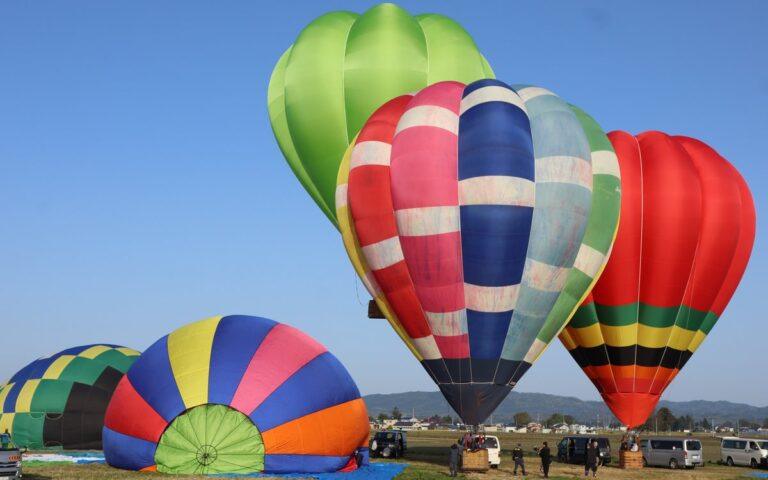
None of this is unique to Massachusetts. It’s the same pattern that draws hundreds of balloons each October to the Albuquerque International Balloon Fiesta in New Mexico, one of the largest ballooning events in the world, held specifically because early autumn delivers such reliably gentle winds.
Foliage From a Balloon Basket
New England’s fall foliage is famous on its own, but seeing it from the air changes the experience entirely. Instead of craning your neck at a scenic overlook, you drift silently above the color, watching entire hillsides of maple, oak, and birch shift from green to gold to crimson beneath you. Central Massachusetts, with its patchwork of farms, orchards, and rolling ridgelines around Worcester, is especially rewarding from a balloon basket during peak color.
A few things make the view even better this time of year:
- Lower sun angles at sunrise cast long shadows and warm light across the foliage
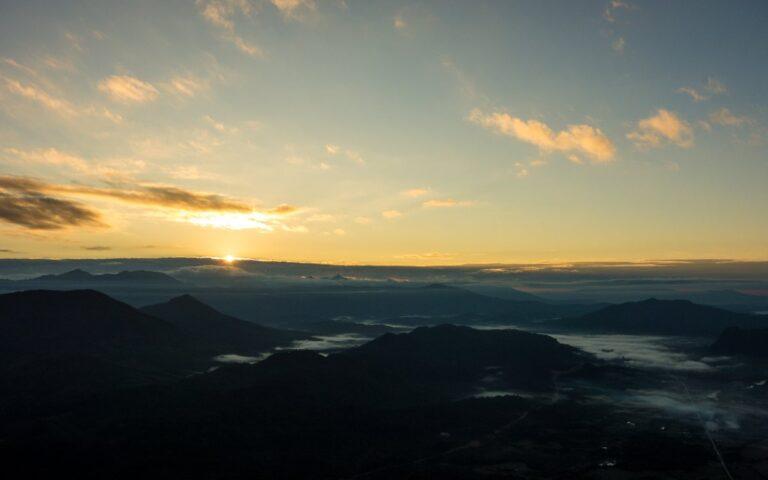
- Cooler temperatures mean less haze, so distant hills stay sharp instead of fading into a summer blur
- Harvest activity below, apple orchards, pumpkin patches, and farm stands, adds motion and color to the landscape
- Shorter mornings mean the classic sunrise launch lines up nicely with typical wake-up times
What a Typical Autumn Flight Looks Like
Every flight still starts the same way it does in any season: a pilot checks the forecast the night before and again at dawn, confirming wind speed, direction, and stability before committing to a launch. Autumn simply stacks the odds in favor of a smooth, scenic morning rather than a marginal one.
Guests should still dress in layers, since early morning temperatures can be brisk before the sun climbs higher, and a light jacket makes the pre-flight setup and post-flight champagne toast more comfortable. If you have not been up before, our hot air balloon rides page walks through what to expect from check-in to landing.
Why Pilots Love Flying This Time of Year
Ask a pilot what they enjoy most about fall flying and you’ll hear less about technical conditions and more about the feel of it. There’s something about launching into cool, still air at first light, watching mist lift off a pond below, and knowing the ride ahead will likely be one of the smoothest of the year. It’s a season that rewards patience with consistency, which is rare in a sport this dependent on weather.
Frequently Asked Questions
Is fall really better than summer for ballooning?
In most of New England, yes. Summer mornings can still fly well, but afternoons and even some mornings bring more instability and thunderstorm risk. Fall’s cooler, drier air tends to stay calm longer, which is part of why it is widely considered the best season for hot air balloon rides in this region.
What should I wear on an autumn balloon flight?
Dress in layers. Mornings often start in the 40s or 50s Fahrenheit, so a warm jacket, closed-toe shoes, and gloves are smart choices. You can always shed a layer once the sun climbs.
How far in advance should I book a fall flight?
Because clear, calm fall mornings are in high demand, autumn dates tend to fill up faster than other seasons. Booking a few weeks ahead, especially for peak foliage weekends, gives you the best shot at your preferred date.
Can weather still cancel or delay an autumn flight?
Yes. Even in the best season, conditions vary morning to morning. Pilots make the final call at the field based on current wind, visibility, and stability, and will reschedule rather than fly in marginal conditions.
If autumn’s calm skies and colorful hillsides have you ready to see Worcester County from above, take a look at our reservations page and grab a sunrise slot before the best dates disappear.