If you have ever tried to pin down the best time to book a hot air balloon ride, you already know it is not as simple as picking a date on a calendar and calling it done. Ballooning runs on the atmosphere’s schedule, not ours, and the pilots who fly safely for decades are the ones who respect that. At Wicked Balloons, we launch sunrise flights over central Massachusetts and the surrounding New England countryside, and nearly every question we get from first-time flyers eventually comes back to timing. Here is how the weather actually shapes the calendar, and how to book smart so you spend more time floating and less time rescheduling.
Why Mornings Are the Golden Window
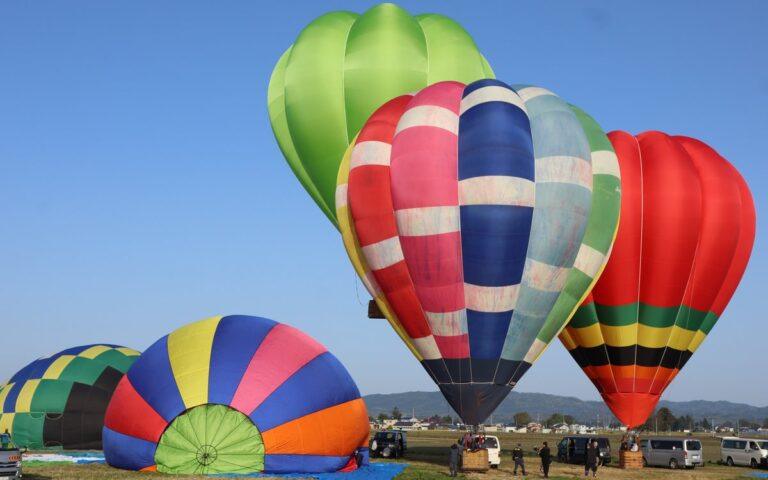
Hot air balloons are graceful, but they are also entirely at the mercy of wind. Pilots need calm, stable air to launch, fly, and land safely, and that kind of air is most reliable in the first hour or two after sunrise. As the sun climbs and the ground warms, thermal currents kick up, winds shift, and the smooth conditions that make ballooning possible tend to fall apart. That is why nearly every commercial balloon company in the country, Wicked Balloons included, flies at dawn rather than midday or evening.
This is really the heart of the answer when people ask about the best time to book a hot air balloon ride: it is less about the season and more about the hour. A calm morning in early spring can produce a better flight than a blustery morning in July. But seasons do matter too, especially in New England, where our weather swings hard between extremes.
How New England’s Seasons Affect Booking
Massachusetts weather is famously changeable, and that has a direct effect on how far in advance you should plan and how flexible you should be.
- Late spring through early summer (May-June): Mornings are often calm and mild, with green fields below and comfortable temperatures. This is one of the more dependable stretches of the year for consistent launches.
- Summer (July-August): Mornings can still be lovely, but afternoon heat builds thermal activity faster, which narrows the usable flying window. Booking the earliest available slot matters more in summer than any other season.
- Fall (September-October): This is peak balloon season in New England. Crisp, stable air and the region’s famous foliage combine to create some of the most reliable and most requested flying conditions of the year.
- Winter: Flights are possible on the right morning, but cold fronts move through more often and daylight is limited, so weather cancellations are more common.
None of this means you should try to out-guess the sky months in advance. It means you should pick a season that suits your schedule and then build in flexibility for the actual flight date.
The Best Time to Book a Hot Air Balloon Ride: Weeks Ahead, Flight Morning Confirmed
Here is the practical answer. The best time to book a hot air balloon ride is several weeks before the experience you want, whether that is a birthday, an anniversary, or simply the first clear weekend of fall. Booking early secures your preferred date and gives you first pick of morning departure times. But the actual go or no-go decision always happens close to the flight, typically the evening before or early on the morning itself, once a real forecast is available.
This two-step approach is standard across the ballooning industry, and it exists for a good reason: weather forecasts more than a few days out simply are not precise enough to guarantee flying conditions. A reservation locks in your spot in the schedule. A weather call locks in the actual flight.
What This Looks Like in Practice
When you book through our reservations page, you are reserving a date and a place in the flight rotation, not a guaranteed launch. As your morning approaches, our pilots review the forecast, look at wind speed and direction at balloon altitude, and make the call on whether conditions are safe to fly. If the weather does not cooperate, you are rescheduled rather than left standing in a field, which is exactly why booking early and staying flexible on the exact day works so much better than trying to book last-minute around a forecast you saw on your phone.
Signs of a Good Flying Morning
You do not need a meteorology degree to get a feel for balloon-friendly weather. Pilots are generally looking for:
- Light and steady wind, ideally under about 10 miles per hour at ground level
- No rain, thunderstorms, or fog in the forecast
- Stable atmospheric conditions without a strong front moving through
- Good visibility for spotting landmarks and safe landing areas
If you wake up to a still, clear morning with barely a leaf moving, that is a promising sign for anyone hoping to fly that day.
Tips for Booking Around the Weather
A few habits make the whole process smoother, whether you are booking a gift certificate for someone else or planning your own balloon ride.
- Book a season and a general date range rather than fixating on one single day.
- If you are traveling from out of town, build a buffer day or two into your trip in case of a weather reschedule.
- Choose fall or late spring if your schedule is flexible and you want the highest odds of flying on your first attempt.
- Keep an eye on your phone the evening before your flight, since that is typically when the go or no-go call comes through.
Frequently Asked Questions
How far in advance should I book my balloon ride?
Booking two to four weeks ahead is a good target, especially during the popular fall foliage season when dates fill quickly. That said, the weather decision itself is always made much closer to your actual flight date.
What happens if my flight gets canceled for weather?
You will be rescheduled to another available morning at no extra cost. This is a normal and expected part of ballooning, not a rare exception, so it helps to go in with a flexible mindset.
Why do balloon rides only happen in the morning?
Winds are typically calmest and most predictable in the hour or so after sunrise, before the sun heats the ground and stirs up thermal activity. That stability is what makes safe launching and landing possible.
Is there a best month to fly in New England?
Fall is widely considered the most reliable and most scenic stretch, thanks to stable air and colorful foliage below. Late spring is a close second for consistent morning conditions.
At the end of the day, timing a balloon ride is a partnership between your calendar and the sky’s. Book your date with some breathing room, stay open to a morning shift if the forecast asks for it, and you will give yourself the best possible shot at a calm, beautiful sunrise flight over New England.