There’s a particular kind of quiet that only exists a few hundred feet above New England at sunrise, and it’s the reason so many people go looking for hot air balloon rides Massachusetts visitors and locals alike keep coming back for. The engine noise fades, the burner falls silent between bursts, and suddenly you’re drifting over church steeples, stone walls, and river bends with nothing but wind for a motor. If you’ve ever wondered where in the Bay State that experience actually happens, and why the launch site matters as much as the weather, here’s a pilot’s-eye guide to flying over Massachusetts.
Why Massachusetts Is Surprisingly Good Balloon Country
Massachusetts doesn’t get the ballooning reputation that, say, Albuquerque or the Loire Valley does, but the terrain here is genuinely well suited to it. Central Massachusetts and the Worcester hills roll gently enough for smooth landings, while the Connecticut River Valley to the west opens into wide farmland that gives pilots room to work with the wind. Add in stone-wall-lined pastures, orchards, and reservoirs, and you get a landscape that looks like a quilt from a thousand feet up.
The other advantage is proximity. Most of the state’s best launch spots sit within an hour of Boston, Worcester, Springfield, or Providence, which means a sunrise flight doesn’t require a weekend trip. You can fly before breakfast and be back at your desk by nine.
The Best Regions for Hot Air Balloon Rides in Massachusetts
Not every corner of the state is flyable, and that’s by design. Balloon pilots need open fields for landing, predictable morning wind patterns, and enough distance from airports and dense urban cores to fly safely. A few regions consistently deliver:
- Central Massachusetts (Worcester County): Gentle hills, working farms, and a good mix of forest and open field make this a dependable launch region for much of the year.
- The Pioneer Valley: The Connecticut River corridor around Hadley, Amherst, and Northampton offers wide, flat farmland with dramatic views of the river and the Holyoke Range.
- MetroWest: Towns west of Boston blend suburban charm with enough undeveloped land to support safe, scenic flights close to the city.
- The Berkshires: Farther west, rolling foothills and valley towns offer a quieter, more mountainous backdrop, best flown by pilots who know the local terrain well.
Wherever you fly, the actual flight path is decided the morning of the trip. Wind direction, not the pilot’s preference, determines where the balloon goes, which is part of what makes every ride different from the last.
Sunrise Is the Secret Ingredient
If you book hot air balloon rides in Massachusetts, expect an early alarm. Balloons fly in the first hour or two after sunrise, and sometimes in the last hour or two before sunset, because that’s when the atmosphere is calmest. As the sun climbs and the ground warms, thermal currents and gustier winds make ballooning unsafe, so morning flights are the standard, not a marketing choice.
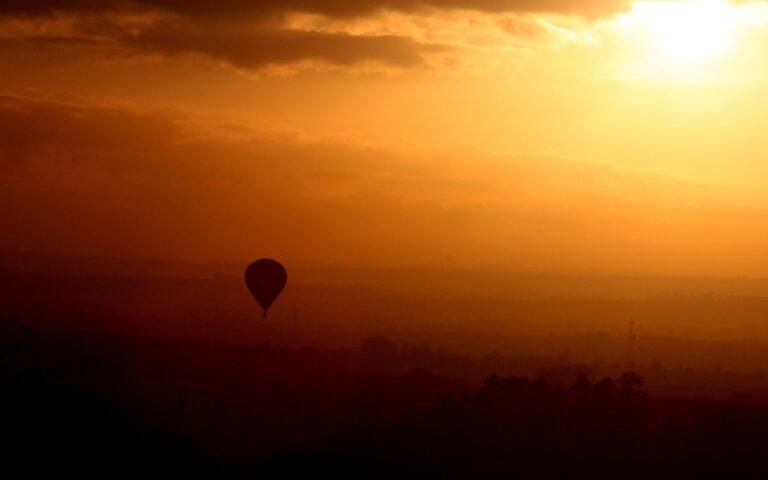
There’s an upside to the early wake-up call beyond safety. Sunrise light over New England hills, especially with low fog pooling in the valleys, is the kind of view that photographs never quite capture. Many pilots will tell you the flight itself is only half the reason people fall in love with ballooning; the light is the other half.
The Best Seasons to Fly
Late spring through fall tends to offer the most flyable mornings, with autumn holding a special appeal. Foliage season turns the Massachusetts countryside into a patchwork of red, orange, and gold, and the crisp fall air tends to produce especially calm, clear mornings. Summer offers long days and lush green farmland, while spring brings blossoming orchards, particularly appealing over the Pioneer Valley’s fruit country.
A Brief History Worth Knowing
Ballooning in America has deep roots. The Montgolfier brothers launched the first public hot air balloon flight in France in 1783, and it didn’t take long for the excitement to cross the Atlantic. In 1793, Jean-Pierre Blanchard made the first hot air balloon flight in the United States, launching from a Philadelphia prison yard with President George Washington reportedly among the onlookers. New England’s balloonists have carried that same spirit of quiet spectacle forward ever since, and flying over Massachusetts today connects you, in a small way, to that centuries-old tradition of taking to the sky just to see what the world looks like from above.
What to Expect on Your Flight Day
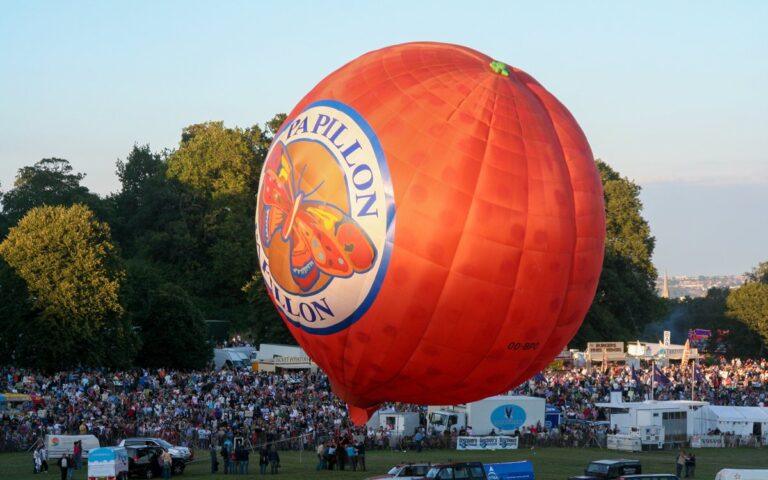
A typical flight day starts before dawn with a check-in near the launch field, followed by watching the crew inflate the balloon, which is a spectacle in its own right. Flights usually run about an hour in the air, though the full outing, including setup, chase-crew coordination, and a landing celebration, takes closer to three hours from start to finish.
Because wind and weather decide the schedule, flexibility matters. Flights can be postponed at the last minute if conditions aren’t safe, and a good operator will always choose safety over sticking to a calendar. If you’re planning a special occasion around a flight, it’s worth building in a backup morning. You can see what a flight actually looks like, from inflation to landing, in our photo gallery before you book.
Frequently Asked Questions
What’s the best time of year for hot air balloon rides in Massachusetts?
Late spring through fall generally offers the most consistent flying weather, with early fall a favorite for its crisp air and foliage color. That said, calm mornings happen year-round, so flights run in every season except the deepest, most unpredictable stretches of winter.
How early do I need to wake up for a sunrise flight?
Check-in is typically before sunrise, since the crew needs time to assess wind conditions and inflate the balloon before the calm morning window closes. Exact times shift with the season, since sunrise itself moves throughout the year.
Will I fly over the same spot every time?
No. The wind, not the pilot, decides the route, so no two flights follow the same path. That’s part of the appeal: even a return flight from the same field offers a different view every time.
What happens if the weather doesn’t cooperate?
Safety always comes first, so flights get rescheduled if wind, visibility, or precipitation aren’t right. It’s a good idea to keep your schedule flexible around a booked flight for exactly this reason.
Massachusetts may not be the first place people picture when they imagine hot air ballooning, but the state’s rolling farmland, river valleys, and quiet dawn skies make it one of New England’s best-kept secrets for taking flight. If you’re ready to see Worcester County or the Pioneer Valley from a few thousand feet up, book your flight and watch the sunrise from somewhere you’ve never seen it before.