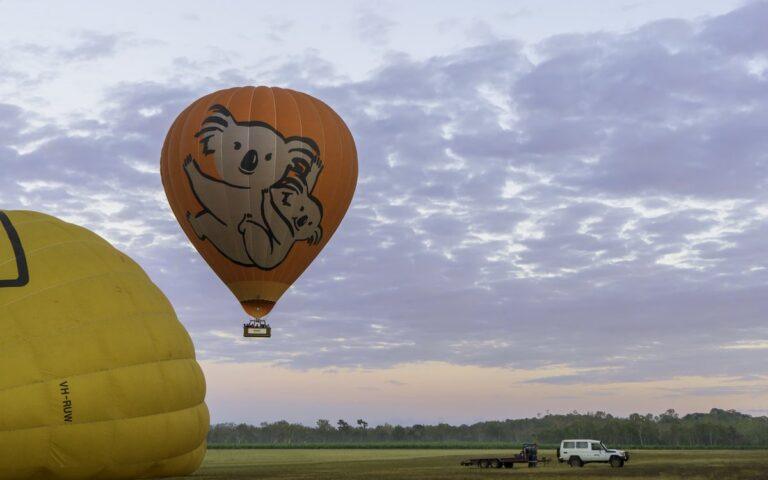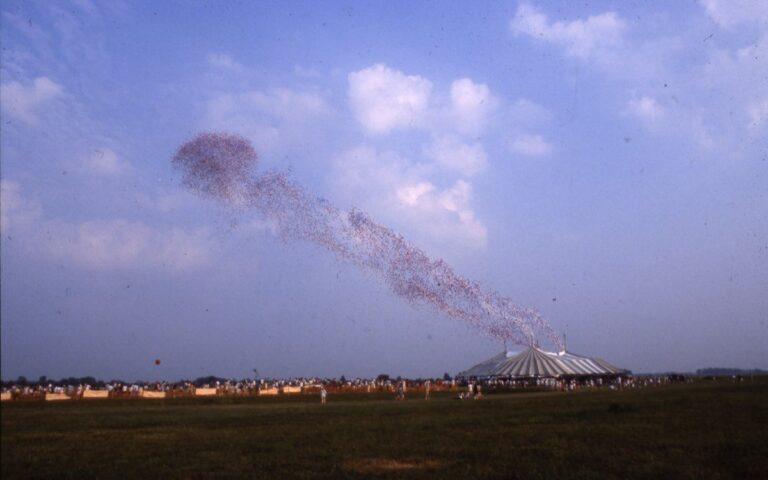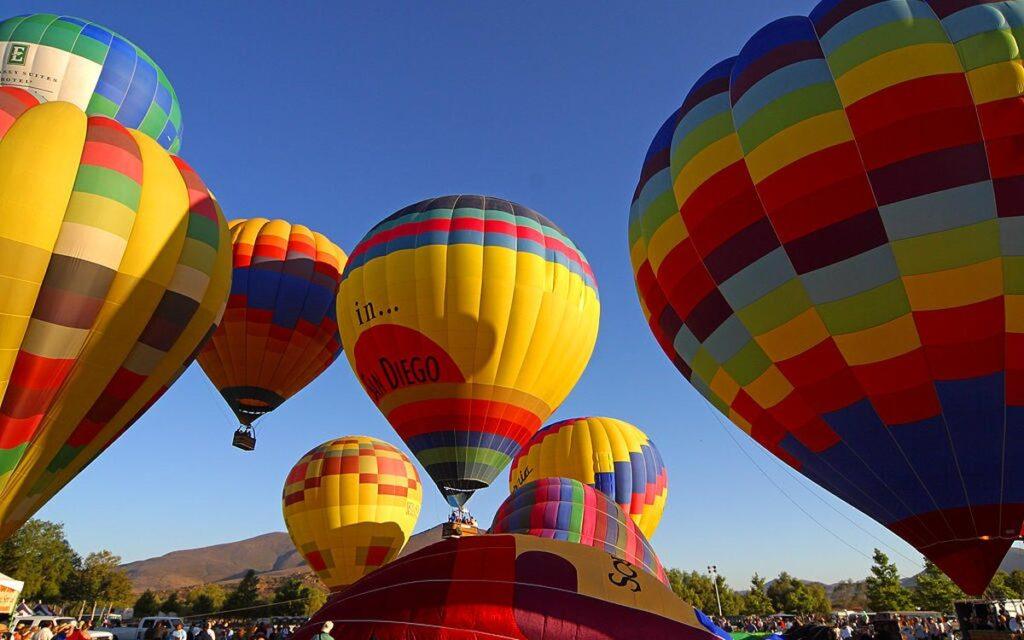
Long before you can own a balloon, you can own a piece of one. That’s the quiet appeal of collecting hot air balloon pins: small, enamel tributes to a sport that’s equal parts engineering and wonder, worn on a jacket lapel or displayed on a felt board where they catch the light like tiny stained-glass windows. For pilots, crew, and spectators alike, a pin collection becomes a portable scrapbook of every sunrise launch, every festival, and every balloon that ever caught your eye.
If you’ve ever wandered a balloon festival field at dawn, you’ve probably seen the trading already happening. Crew members swap patches. Pilots hand out pins stamped with their balloon’s shape. Kids beg parents for “just one more” from the merchandise tent. It’s a hobby that costs almost nothing to start and can grow as deep as you want it to.
Why Hot Air Balloon Pins Became Collectible
Ballooning has always had a flair for the visual. Balloons themselves are essentially flying artwork, so it makes sense that the culture around the sport produces its own miniature art form. Enamel pins, cloisonné badges, and lapel emblems started showing up at gatherings decades ago as a way for pilots, sponsors, and event organizers to mark a particular balloon, crew, or occasion.
The Albuquerque International Balloon Fiesta, which has run since 1972 and grown into the largest ballooning event in the world, helped popularize the tradition on a national scale. Special-shape balloons in particular lend themselves to pin designs, since a balloon shaped like a cow, a cartoon character, or a historic aircraft translates beautifully into a small enameled shape you can pin to a hat.
Commercial balloon companies picked up on the same idea. A pin featuring a company’s signature envelope design does double duty: it’s a keepsake for the rider and a bit of quiet brand recognition for the operator. Over time, those pins started circulating well beyond the original buyer, passed along, traded, or sold at swap meets and online.
What Collectors Actually Look For
Not every pin holds the same appeal, and most serious collectors develop their own focus rather than trying to grab everything. Common collecting angles include:
- Event pins from specific balloon festivals, often produced in limited runs for a single year
- Special-shape balloon pins depicting a particular novelty envelope, since these tend to be one-offs
- Company or fleet pins from individual ride operators or balloon manufacturers
- Vintage cloth patches from earlier decades of ballooning, often sold alongside pins at swap tables
- Anniversary or milestone pins marking a company’s founding year or a record flight
Condition matters, as it does with any collectible, but so does provenance. A pin traded directly from the pilot who flew that balloon carries a story that a pin bought sight-unseen online simply doesn’t.
Beyond Pins: The Wider World of Ballooning Memorabilia
Pins are the gateway, but they’re rarely where a real collection stops. Balloonists and enthusiasts also gather envelope fabric swatches, event programs, vintage postcards, and photographs, especially from the early hot air ballooning revival of the 1960s and 70s when modern propane-burner balloons first took off. Model balloons, both die-cast and handmade, show up in collections too, along with patches, event t-shirts, and the occasional piece of retired basket hardware.
Some of the most treasured pieces are the simplest: a faded flight certificate, a photo of a first ride, or a pin from a festival that no longer runs. Memorabilia collecting in ballooning tends to be less about market value and more about holding onto a specific morning in the air.
Starting Your Own Collection
You don’t need a plan to start collecting hot air balloon pins, but a little intention helps a shoebox of trinkets turn into a real collection. A few practical suggestions:
- Pick up a pin every time you take a balloon ride or attend a launch, so each piece is tied to a real memory
- Ask pilots and crew directly, since many are happy to talk about the pins they hand out and where they came from
- Look for a display board or shadow box rather than a drawer, so the collection stays visible and organized
- Keep a simple log of where and when you got each piece, since memory fades faster than enamel
If you’d like to start with something made specifically for the sport, Wicked Balloons keeps a rotating set of enamel pins in its online pin store, each one designed around our own balloons and New England routes. It’s a natural first piece for anyone building a collection, or a gift for the balloonist who already has everything except this particular design.
Of course, the best way to appreciate a balloon pin is to have flown under the real thing first. A sunrise flight over Worcester County gives you the kind of vantage point no pin can fully capture, but it does make the little enamel version on your jacket mean a great deal more. If you haven’t been up yet, our reservations page is the place to start.
Frequently Asked Questions
What are hot air balloon pins usually made of?
Most are die-struck metal with enamel fill, similar to the pins used for sports teams or national parks. Some older pieces are cloisonné, which uses thin metal walls to separate colors of enamel, giving the pin a slightly raised, glassy texture.
Are vintage ballooning pins worth much money?
Value varies widely and depends on rarity, condition, and demand among collectors at a given moment. A pin from a discontinued event or a one-of-a-kind special-shape balloon can be sought after, while mass-produced souvenir pins are usually inexpensive. Most collectors buy for the memory and the design first, and any resale value second.
Where can I find hot air balloon pins to collect?
Balloon festivals are the classic source, since vendors, crews, and pilots often sell or trade pins on-site. Online marketplaces and hobbyist forums are also active, and many balloon companies, including ours, sell pins directly through their own stores.
Do I need to be a pilot to start collecting?
Not at all. Some of the most dedicated pin collectors have never flown a balloon themselves. Spectators, crew volunteers, and festival regulars build collections just as extensive as any pilot’s, simply by showing up and paying attention to the small details.
Whether you’re drawn to the artistry of a well-designed enamel pin or the memory it represents, collecting hot air balloon pins is a low-cost way to stay connected to a sport built on big skies and bright colors. Start with one pin, one flight, one festival, and let the collection grow from there.