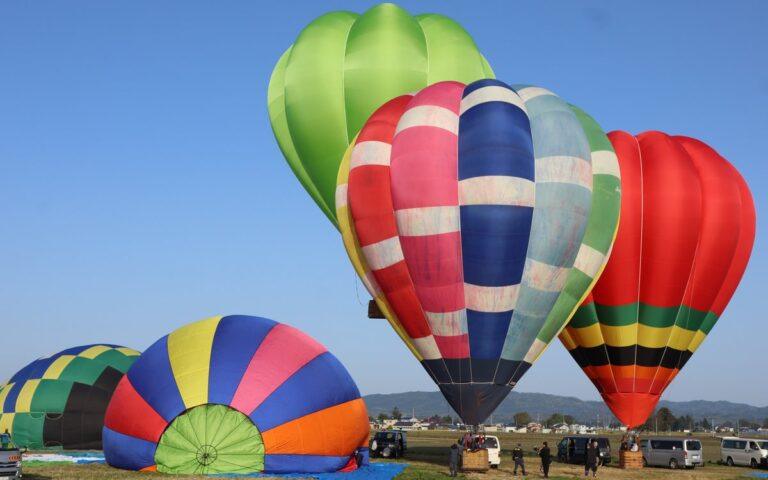
There’s a reason hot air balloon rides in summer fill up fast across New England: long daylight hours, warm dawns, and a landscape of lakes, farms, and hilltowns that looks entirely different depending on the season you fly it. But summer isn’t the only window worth booking, and if you’ve ever wondered whether to go up in July or wait for October, the honest answer is that both seasons have real advantages, and they’re different enough to matter.
We fly year-round out of Worcester, Massachusetts, and after years of sunrise launches across central New England, we’ve come to see summer and fall not as competitors but as two distinct flavors of the same experience. Here’s how they actually compare, so you can pick the season that fits what you’re after.
Why Hot Air Balloon Rides in Summer Are So Popular
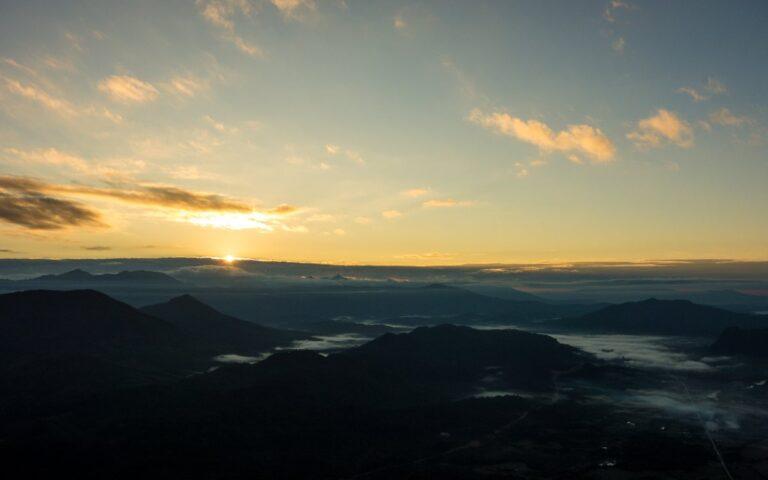
Summer is peak season for a simple reason: the days are long and the mornings are gentle. Balloon flights depend on calm, stable air, which typically means launching within an hour or two of sunrise, before the sun heats the ground and stirs up thermals and wind. In June and July, that gives pilots a comfortable window of first light well before most passengers would otherwise be awake anyway.
Summer air over New England also tends to be soft and buoyant early in the day, which makes for smooth, unhurried flights. Passengers often describe the sensation as closer to floating than flying, since there’s no rush of wind against your face at altitude, you’re moving with the wind rather than through it.
Add in green farmland, full leaf canopies, and glassy lake surfaces reflecting the early sky, and it’s easy to see why hot air balloon rides in summer remain the most requested option for first-timers, anniversaries, and proposals alike.
The Case for Fall Flights
Fall has its own devoted following, and for good reason. New England’s autumn foliage is internationally famous, and viewing it from a balloon basket a few hundred to a couple thousand feet up gives you a perspective almost no other activity can match. Rolling hills of red, orange, and gold stretch out below in a patchwork that’s simply not visible from the ground.
Cooler fall air is also denser, which means the balloon’s envelope produces slightly more lift for the same burner effort. Pilots often notice crisper handling and more predictable conditions once the humid haze of summer clears out. Mornings can be genuinely cold at altitude, so layers matter more in October than they do in July.
- Foliage timing: Peak color across central Massachusetts and northern New England generally runs from late September into mid-October, though it shifts year to year with weather.
- Cooler, crisper air: Denser autumn air can mean smoother handling and fewer weather cancellations from summer haze or afternoon storms.
- Shorter days: Sunrise comes later, so fall flights often start a bit later in the morning than summer’s early launches.
Comparing Weather Patterns and Flight Conditions
Summer weather in New England is more prone to fast-moving afternoon thunderstorms and hazy, humid stretches, which is one reason sunrise flights are scheduled so early, that window is usually the most stable part of the day. Fall, by contrast, tends to bring longer stretches of clear, dry, high-pressure days once the season’s first cold fronts move through, though wind can pick up more noticeably as temperatures drop.
Neither season guarantees perfect conditions every day. Ballooning has always been at the mercy of the wind, which is exactly why pilots make the final call on any given morning rather than a set schedule. That’s true whether it’s July or October.
What to Wear and Expect Each Season
Summer Flights
Light layers work well, since ground temperatures at a summer launch can already be warm even at sunrise. A light jacket for the drive out and the wait during setup is still worth bringing, mornings can be cooler than you’d expect before the sun is fully up.
Fall Flights
Dress warmer than you think you need to. Temperatures at launch can be brisk, and altitude combined with early hour means real cold before the sun climbs higher. Gloves and a hat make a noticeable difference on crisp fall mornings.
Which Season Is Right for You
If you want the classic New England summer experience, warm mornings, lush green scenery, and the most flexible scheduling window of the year, hot air balloon rides in summer are hard to beat. If it’s foliage you’re after, or you simply prefer cooler, crisper flying conditions, fall is worth planning around, especially if you can be flexible enough to catch peak color.
Either way, we’d recommend booking early. Summer weekends fill quickly, and fall’s foliage window is popular and short. You can see current openings and book a flight through our balloon rides page, where we list available dates and what to expect on the morning of your flight.
Frequently Asked Questions
Is summer or fall better for a first-time balloon ride?
Both work well for first-timers. Summer tends to offer gentler, warmer mornings and more available dates, while fall adds dramatic foliage views. Neither season requires any prior experience.
Why do balloon flights happen so early in the morning?
Air is calmest and most stable near sunrise, before the ground heats up and creates the thermals and wind that make ballooning difficult later in the day. This holds true across all seasons, though the exact launch time shifts with sunrise.
What should I wear on a summer balloon ride versus a fall ride?
For summer, light layers with a jacket for the early morning chill are usually enough. For fall, dress warmly, closer to what you’d wear for a brisk hike, since early morning temperatures can be quite cool.
Can weather cancel or reschedule my flight?
Yes. Wind, precipitation, and visibility all factor into a pilot’s go or no-go decision, regardless of season. If conditions aren’t safe, your flight will be rescheduled rather than flown.
Whichever season calls to you, a sunrise flight over central New England is a memorable way to see the region from an angle almost nobody else gets to experience. We hope to have you in the basket soon, whether that’s under a summer sky or above a hillside of fall color.