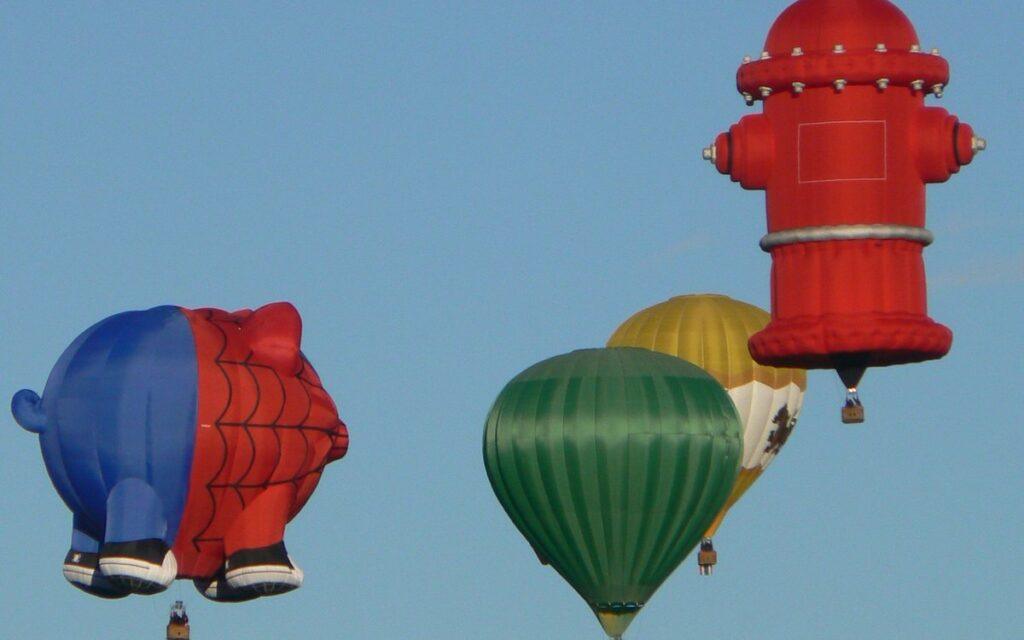
Look up at any major balloon festival and, sooner or later, the sky stops looking like a sky and starts looking like a parade. A giant panda drifts past a rubber duck. A wizard’s hat rises next to a soda can the size of an office building. These are the famous special shape balloons that turn casual fairgoers into lifelong balloon fans, and they exist because a handful of designers decided the classic teardrop shape wasn’t the only way a balloon could fly.
At Wicked Balloons, we build both traditional sunrise balloons and custom shapes for events and brands, so we have a soft spot for the pioneers who proved a hot air balloon could look like almost anything. Here’s a look at some of the most famous special shape balloons ever flown, and why they still stop traffic.
Where Special Shapes Began
Standard hot air balloons take their teardrop form because it’s the most efficient shape for holding heated air. Special shapes throw that efficiency out the window on purpose, using internal baffles, extra panels, and creative rigging to sculpt a balloon into a recognizable figure. British balloon builder Cameron Balloons, founded by Don Cameron, became the acknowledged leader in this craft starting in the 1970s, engineering shapes ranging from bottles and boots to castles and cartoon characters. Their work set the template that special shape builders, including our own team, still study today.
What makes these builds hard isn’t the artwork on the fabric. It’s physics. A balloon shaped like a bear or a rocket has to manage buoyancy, wind resistance, and heat distribution very differently than a smooth teardrop, which is why only a small number of manufacturers worldwide specialize in them.
The Festival That Made Special Shapes Famous
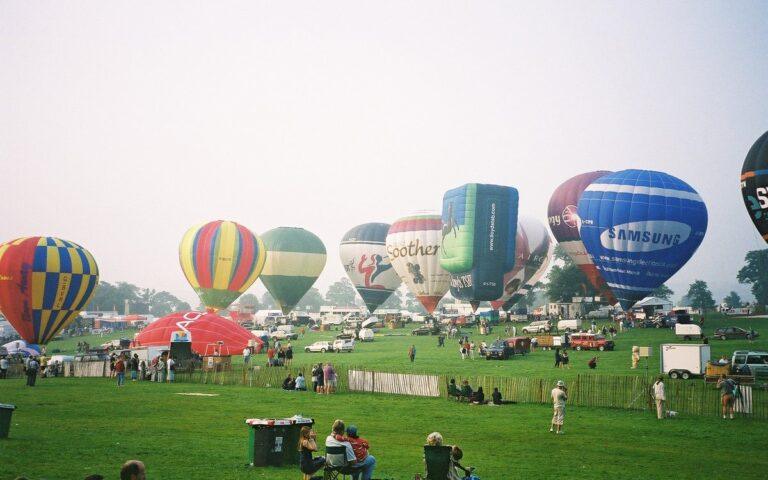
No discussion of famous special shape balloons is complete without the Albuquerque International Balloon Fiesta. Founded in 1972 in New Mexico, it has grown into the largest hot air balloon festival on earth, and its “Special Shape Rodeo” is the single biggest gathering of custom balloons anywhere. Each October, dozens of shapes line up together at dawn, from grinning cartoon animals to towering replicas of real-world objects, all inflating and lifting off in the same few hours.
The Fiesta’s high desert setting, calm morning winds, and sheer scale make it the natural home turf for shape pilots. Many of the balloons on this list have made repeat appearances there over the decades.
Iconic Special Shapes You’d Recognize Anywhere
Some shapes have flown long enough, and often enough, that they’ve become recognizable even to people who have never been to a balloon festival. A few standouts:
- Darth Vader — a menacing black balloon shaped like the Star Wars villain’s helmeted head, a Balloon Fiesta crowd favorite since the late 1990s.
- Smokey Bear — built in partnership with the U.S. Forest Service to promote wildfire prevention, keeping a beloved public-safety mascot aloft for a new generation each year.
- Rubber Duckie balloons — oversized yellow ducks that have appeared at festivals worldwide, playing on the universal appeal of the bathtub toy.
- Corporate mascots and characters — from soda cans to cereal-box icons, brands have long used shape balloons as flying billboards, since nothing catches an outdoor crowd’s eye like a hundred-foot mascot overhead.
These balloons endure not because they’re the newest or biggest, but because their designs are simple, bold, and instantly readable from the ground, which is exactly what a good special shape needs to be.
Special Shapes as Advertising, Then and Now
Long before social media, companies figured out that a balloon shaped like their product or mascot would get photographed, talked about, and remembered in a way a billboard never could. That idea hasn’t aged a day. A custom advertising balloon still draws crowds, generates free press, and gives a brand a presence that towers, literally, over everything else at an event.
The famous special shape balloons of the past set the bar for what’s possible: recognizable silhouettes, strong colors, and a shape that reads clearly whether it’s five feet away or five hundred. Modern advertising balloons follow the same playbook, just built with better materials and more precise burner systems than the early pioneers had access to.
What It Takes to Build One
Engineering Around a Shape
Every special shape starts as a standard balloon envelope hiding underneath the sculpted exterior. Builders attach the character’s arms, ears, or other features as separate inflatable sections, carefully vented so they inflate evenly and don’t drag the balloon off balance in flight.
Pilot Skill Matters More, Not Less
Special shapes catch more wind resistance than a teardrop balloon, so pilots flying them need extra experience reading conditions and handling the balloon on the ground during inflation, which is often the trickiest part of the whole flight.
Frequently Asked Questions
What was the first special shape balloon?
Cameron Balloons in the United Kingdom is widely credited as the pioneer of the modern special shape balloon, developing the engineering techniques in the 1970s that made custom-shaped envelopes possible. Since then, a small number of specialist manufacturers worldwide have carried the craft forward.
Where can I see famous special shape balloons fly?
The Albuquerque International Balloon Fiesta in New Mexico is the best-known gathering, with its dedicated Special Shape Rodeo each October. Many other balloon festivals across the country and around the world also feature special shapes as headline attractions.
Can a special shape balloon be built for my business?
Yes. Wicked Balloons designs and builds custom advertising balloons shaped around a logo, mascot, or product, giving a brand the same kind of memorable, only-in-the-sky presence that made these festival favorites famous in the first place.
Are special shape balloons harder to fly than regular ones?
They can be. The extra surface area and irregular profile mean pilots need to pay closer attention to wind and ground handling, especially during inflation, so special shapes are typically flown by pilots with specific experience in that balloon type.
Special shapes have earned their place as the most photographed, most talked-about balloons in the sky, and they’re proof of how far a good idea and careful engineering can carry a flying object shaped like almost anything. If you’d rather see the classic teardrop version in action, our sunrise rides over New England offer that same sense of wonder, just without the ears or the antenna.