Watch a balloon inflate at sunrise and you might assume there’s something exotic holding you aloft. There isn’t. So what are hot air balloons made of? At its core, a modern balloon is three simple systems working together: a fabric envelope, ropes and cables to hold everything together, and a basket with a burner underneath. Each piece has evolved over more than two centuries of ballooning, and each one matters when you’re standing in that basket a thousand feet over the New England countryside.
If you’ve ever booked a sunrise flight with us and looked up at the enormous shape overhead, it’s worth knowing what’s actually keeping you up there. Here’s a plain-English rundown of the materials and parts that make it possible.
What Are Hot Air Balloons Made Of Today?
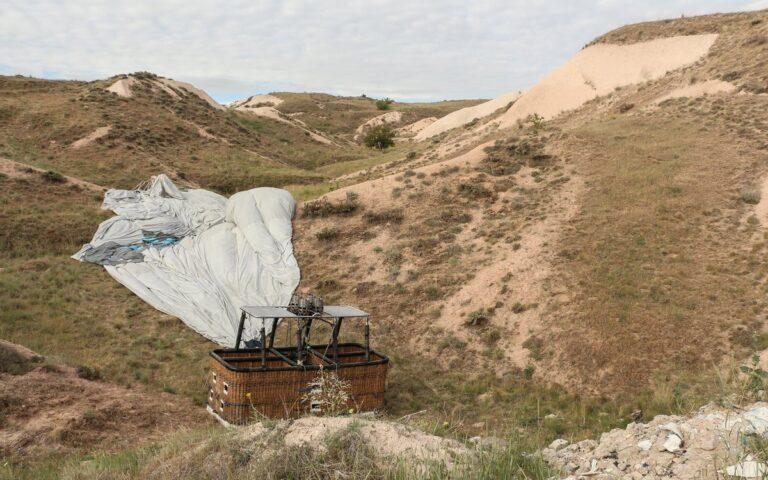
The envelope, the big fabric bag that holds the hot air, is almost always made from ripstop nylon or polyester. Both are lightweight synthetic fabrics woven with a reinforcing grid pattern so that if a small tear starts, it doesn’t spread across the whole panel. The fabric is coated, usually with polyurethane or silicone, to make it airtight and to protect it from UV damage and moisture.
This is a big change from the earliest balloons. The Montgolfier brothers’ first public demonstration in France in 1783 used paper and linen, sealed with a fireproof coating and inflated with hot smoky air from a fire below. Fabric technology has come a long way since then, but the basic idea, trap heated air inside a lightweight envelope, hasn’t changed at all.
The Envelope: Panels, Load Tapes, and the Parachute Vent
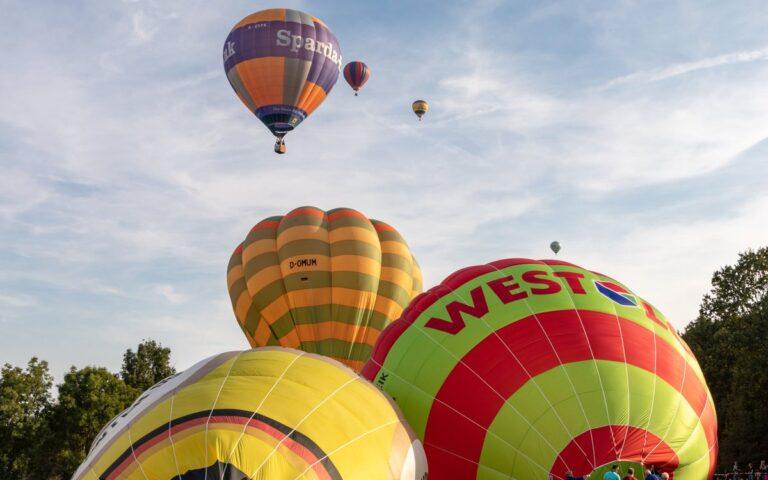
A balloon envelope isn’t one piece of fabric. It’s built from dozens of individual gores, the vertical panels that run from the throat at the bottom to the crown at the top, each one stitched together with reinforced seams. Sewn along those seams are load tapes, strong woven straps that carry the actual weight of the basket and passengers up through the fabric to the top of the balloon. The fabric itself mostly just holds the shape and contains the air; the load tapes do the heavy lifting.
At the very top sits the parachute vent or deflation port, a panel the pilot can pull open with a line to release hot air quickly for landing. Some balloons also have a turning vent on the side, a small panel that lets the pilot rotate the balloon by venting air sideways, which is handy for lining up a landing spot or giving passengers a better view.
- Envelope fabric: ripstop nylon or polyester, coated for airtightness and UV resistance
- Load tapes: high-strength woven straps that carry weight through the fabric
- Parachute vent: a top panel for controlled deflation on descent
- Skirt: a fireproof fabric band at the mouth of the balloon that protects the envelope from the burner flame
Ropes, Rigging, and How It All Connects
Between the envelope and the basket is a network of suspension cables, usually stainless steel or high-strength synthetic rope, that connects to the load tapes and transfers the weight down to the basket frame. These cables run through the corners of the basket and up to the base of the envelope, and they’re rated with a wide safety margin well beyond the balloon’s normal flying weight.
The skirt, a band of fire-resistant fabric (often Nomex, the same material used in firefighting gear) at the very bottom of the envelope, shields the nylon or polyester above it from the direct heat of the burner flame. Without it, the envelope fabric itself would be exposed to temperatures it isn’t designed to handle.
The Basket and Burner System
Most passenger baskets are still woven wicker, a tradition that goes back to the earliest days of ballooning. Wicker sounds old-fashioned, but it’s genuinely well suited to the job: it’s lightweight, flexible enough to absorb the shock of landing without snapping, and easy to repair. Some baskets use aluminum frames or composite materials instead, particularly for specialty and commercial designs, but wicker remains the standard for most sightseeing balloons.
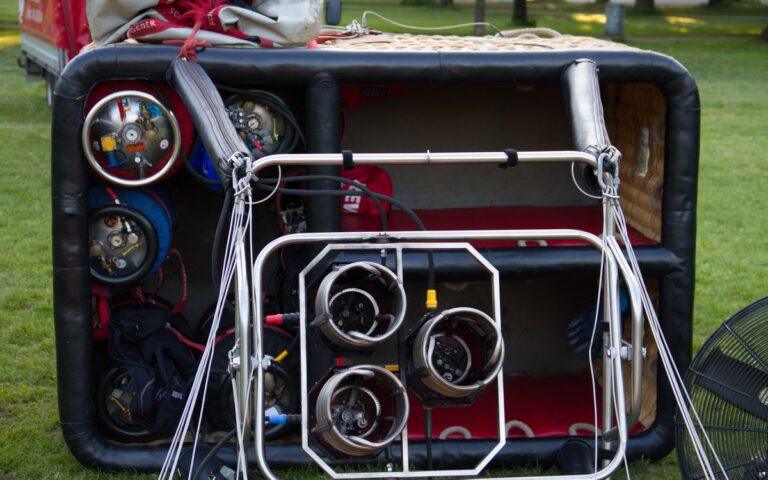
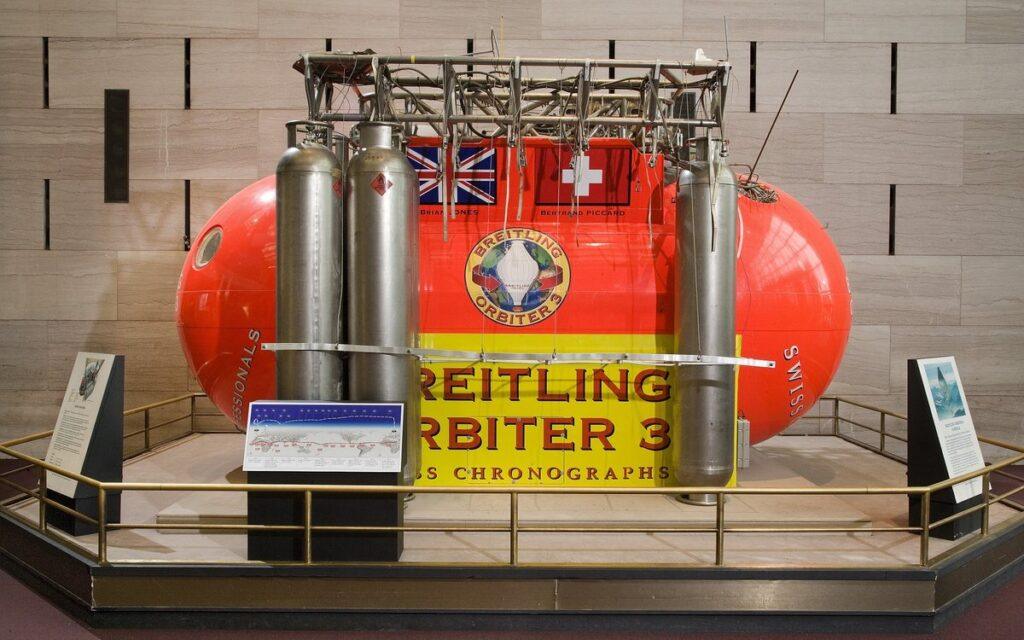
The burner sits on a stainless steel frame above the basket and heats the air using propane, stored in aluminum or stainless steel tanks that sit upright inside the basket. When the pilot fires the burner, a jet of flame shoots up into the throat of the envelope, heating the air inside and giving the balloon lift. It’s a simple, reliable system, and it’s the same basic principle used in every hot air balloon flying today, including the ones we fly on our sunrise balloon rides over Worcester and the surrounding countryside.
Why Materials Matter for Safety and Performance
None of this is arbitrary. Every material choice balances weight, strength, and heat resistance. A heavier fabric would make the balloon harder to lift and less fuel-efficient; a lighter one wouldn’t hold up to years of inflation, sun exposure, and the occasional rough landing. That’s part of why balloons go through regular inspections and why envelopes are eventually retired and replaced, the fabric coating breaks down over time even when nothing looks obviously wrong.
It’s also why special-shape balloons, the ones built to look like a giant pumpkin, a cartoon character, or a company logo, take so much extra engineering. Every seam and load tape still has to carry weight correctly even when the overall shape isn’t a simple sphere.
Frequently Asked Questions
What fabric are hot air balloons made of?
Modern envelopes are made from ripstop nylon or polyester, coated with polyurethane or silicone to make the fabric airtight and resistant to sun and moisture damage.
Are hot air balloon baskets really made of wicker?
Yes, most are. Wicker is lightweight and flexible, which helps it absorb the impact of landing without cracking. Some modern and specialty baskets use aluminum or composite materials instead.
What keeps the balloon fabric from tearing?
The ripstop weave pattern keeps small tears from spreading, and load tapes sewn along the seams carry the weight of the basket so the fabric itself isn’t bearing the structural load.
What fuel do hot air balloons use?
Propane, stored in tanks inside the basket and burned through a burner mounted above the passengers to heat the air inside the envelope.
The next time you watch a balloon fill with air on a quiet morning field, you’ll know exactly what you’re looking at, ripstop fabric, steel cable, wicker, and a propane flame, all working together the way they have for decades. If you’d like to see it up close, we’d love to have you join us for a flight; check our reservations page to find a morning that works for you.