There is a particular hush that falls over a field just before dawn, right when dozens of envelopes start to glow like paper lanterns against a still-dark sky. If you have ever fumbled with your camera settings in that moment and come away with a blurry mess, a few balloon festival photography tips can make all the difference between snapshots you delete and images you frame. Whether you are shooting with a phone or a full kit, festivals like these reward preparation more than expensive gear.
We fly sunrise balloon rides out of Worcester and have spent countless mornings watching photographers work a launch field. The best ones are not necessarily carrying the biggest lenses. They are the ones who understand the light, the timing, and the choreography of a mass ascension. Here is what we have learned.
Arrive Before First Light
The single most important balloon festival photography tips is also the simplest: get there early. Balloon events almost always begin well before sunrise, since pilots need calm morning air and cooler temperatures for a safe launch. Crews start laying out envelopes and firing up fans in the pre-dawn dark, and that setup period is full of striking images most visitors miss entirely because they show up right as the balloons are standing upright.
Arriving an hour ahead gives you time to:
- Scout the field and figure out where the wind is likely to carry the balloons
- Photograph the inflation process, when fabric first catches the fan-blown air
- Find a spot with a clean foreground, away from cars, tents, and cables
- Adjust your camera settings before the light starts changing quickly
Understand the Light
Balloon festivals are essentially a lesson in changing light. In the final minutes before sunrise, the sky often carries deep blues and purples while the balloons themselves are lit from within by their burners, creating a glow that is hard to replicate at any other time of day. Once the sun clears the horizon, you get warm side-lighting that reveals color and texture on the envelopes.
Shooting the Pre-Dawn Glow
If the event includes a “balloon glow,” where tethered balloons are lit up after dark using their burners in unison, bring a tripod. Shutter speeds slow down considerably in low light, and a steady base is the difference between a crisp shot and a soft one. Set your camera to a higher ISO if you are shooting handheld, and consider bracketing exposures since the brightness inside a glowing envelope can be many stops brighter than the darkening sky around it.
Working with Midmorning Sun
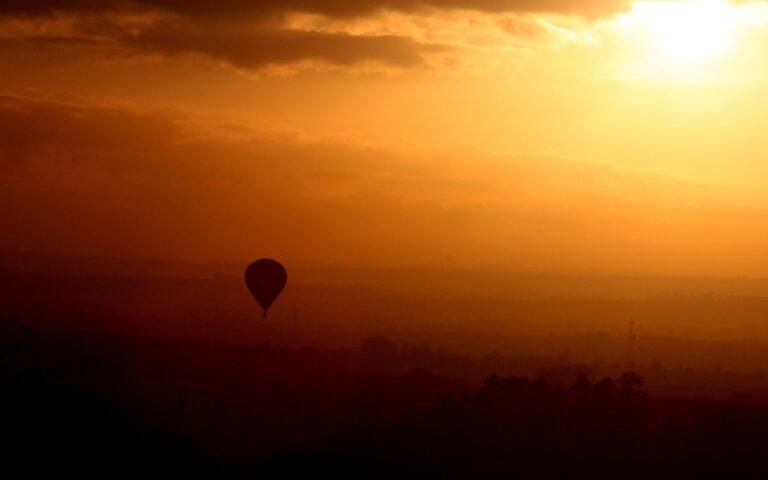
As balloons rise and the sun climbs, back-lighting becomes your friend. Positioning yourself so the sun is behind the balloons can turn ordinary shapes into translucent, jewel-toned silhouettes. This is one of the most rewarding balloon festival photography tips for anyone shooting special-shape balloons, since sunlight through thin fabric reveals colors and patterns that flat lighting hides completely.
Composition Tricks That Actually Work
A field full of balloons can overwhelm a photo if you try to capture everything at once. Instead, look for a story within the scene.
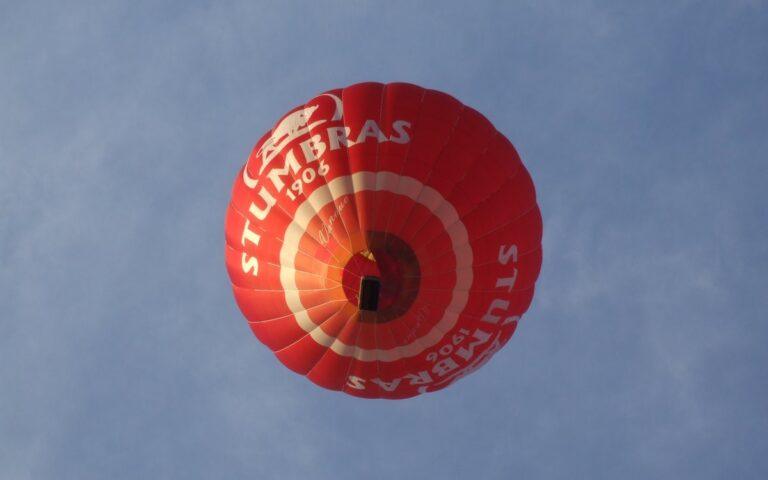
- Isolate a single balloon against open sky rather than a cluttered horizon
- Include people in the frame for scale, such as a crew member holding a line
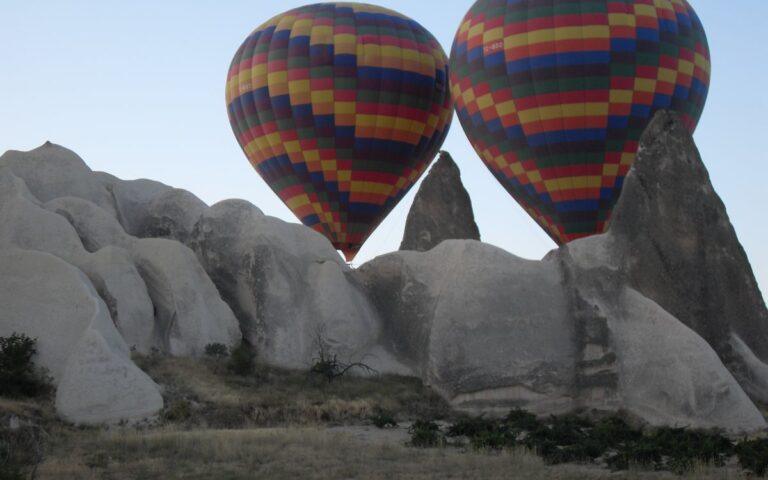
- Shoot low, near the ground, to make balloons look even larger as they inflate
- Look for reflections in dew, puddles, or nearby ponds for a symmetrical shot
- Use a longer lens to compress a cluster of balloons into a tight, colorful pattern
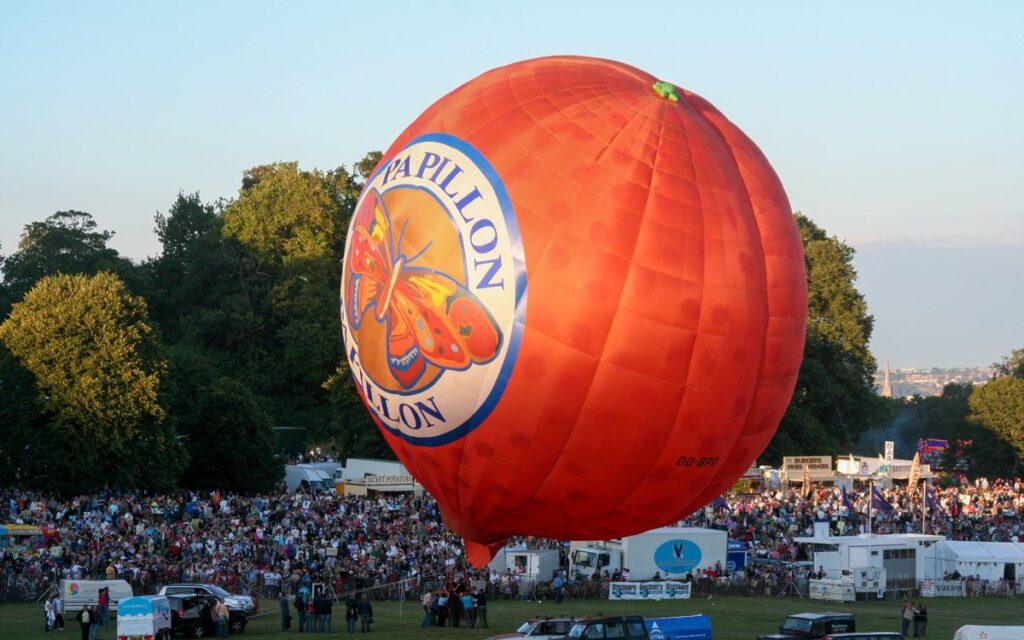
Special-shape balloons deserve their own approach. Rather than shooting the whole balloon from a distance, get close enough that the shape reads clearly but you still have some negative space around it. A cow, a castle, or a cartoon character loses its charm if it is too small in the frame or cropped awkwardly at the edges.
Respect the Field and the Crews
Good balloon festival photography tips always include etiquette, because a launch field is a working space, not a photo studio. Inflation lines, fans, and burners involve real hazards, and crews need room to move quickly if wind conditions shift. Stay behind any rope lines or marked boundaries, keep clear of crown lines and inflation fans, and never walk between a balloon and its chase vehicle. Ask a crew member before stepping closer than the general public is allowed. Most pilots and crews are happy to talk about their balloons between tasks, and a friendly conversation often leads to a better vantage point than sneaking past a barrier ever would.
Gear That Actually Helps
You do not need professional equipment to get good results, but a few tools make mornings easier. A wide-angle lens or your phone’s standard lens handles most inflation and mass-ascension shots. A telephoto or zoom is useful once balloons are airborne and drifting away from you. A lens cloth matters more than people expect, since dew collects fast in early morning air. And a spare battery is worth packing, because cold mornings drain batteries faster than you would think.
If you would rather experience a festival from inside a balloon instead of photographing one from the ground, our own sunrise balloon rides offer a different kind of view entirely, with the chase crew and fellow balloons visible from above at first light.
Frequently Asked Questions
What time should I arrive at a balloon festival to get good photos?
Plan to arrive at least an hour before the scheduled launch time, and check whether the event includes an early inflation period or a pre-dawn balloon glow. Early arrival gives you time to scout locations and capture the setup process before the field gets crowded.
Do I need an expensive camera to photograph a balloon festival well?
No. Many strong balloon festival photos are taken on phones or entry-level cameras. Light, timing, and composition matter far more than equipment. A tripod for low-light glow shots and a lens cloth for morning dew will help more than a costly upgrade.
Is it safe to walk close to the balloons while they are inflating?
Only within areas the event organizers and crews designate for spectators. Inflation involves fans, burners, and lines under tension, so always stay behind marked boundaries and follow crew instructions, even if it means a slightly farther shot.
What is a balloon glow, and how is it different from a launch?
A balloon glow happens when tethered balloons stay on the ground, usually in the evening or early morning darkness, and pilots fire their burners in unison so the envelopes light up from within. It is a photography event in its own right, distinct from an actual launch, and it rewards a tripod and patience.
Balloon festivals move fast once the sun comes up, but the photographers who leave with the best images are usually the ones who arrived early, watched the light change, and stayed patient rather than rushed. Bring that patience with you, keep an eye on the crews, and you will come home with photos worth printing. If you want to see more of what a New England sky full of balloons looks like, browse our photo gallery for inspiration before your next festival morning.