There is a short window every year, usually from late September through mid-October, when a fall foliage hot air balloon ride over Massachusetts turns an ordinary Saturday into something you will talk about for years. From a thousand feet up, the hills of Worcester County spread out in a patchwork of red, orange, and gold that no car window or hiking trail can fully capture. You see the whole tapestry at once, valley to ridge, with the morning light just catching the treetops below.
New England’s fall color is famous for a reason. The region’s mix of sugar maples, oaks, and birches produces some of the most vivid autumn displays anywhere in the country, and Massachusetts sits squarely in that belt. Add a hot air balloon to the mix and you get a vantage point that most visitors never experience: silent, slow, and entirely dependent on the wind rather than a fixed road or trail.
Why Fall Is the Best Season for a Balloon Ride in Massachusetts
Ballooning is a fair-weather sport, and autumn happens to deliver some of the calmest, clearest mornings of the year in New England. Cooler air is denser and more stable than the hazy, thermally active air of summer, which means smoother flights and better visibility. Pilots also love the crisp mornings because the temperature difference between the air inside the envelope and the air outside makes the balloon easier to manage.
Combine that stable flying weather with peak color, and it is easy to see why a fall foliage hot air balloon ride books up faster than any other season. Mornings are calm, the light is soft, and the hills are doing something they only do for a few weeks each year.
What You Will See From the Basket
Central Massachusetts offers a mix of terrain that makes for a genuinely varied view: rolling farmland, reservoirs catching the morning light, small town centers with white church steeples, and forested ridgelines that seem to catch fire with color as the sun climbs. Depending on the day’s wind direction, a flight might drift over:
- Working farms and orchards, many still active with fall harvest
- Ponds and reservoirs that mirror the surrounding color
- Classic New England town commons and steeples
- Wooded ridgelines where maples turn brilliant red weeks before other trees change
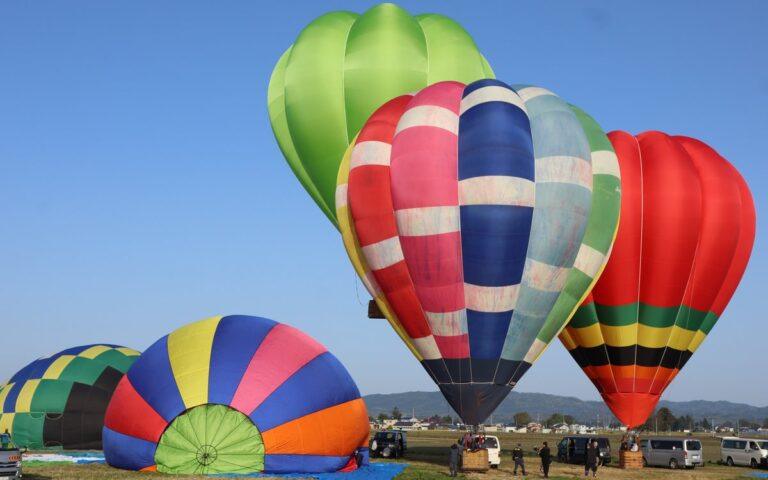
No two flights follow the same path, since a hot air balloon travels with the wind rather than against it. That is part of the appeal: every fall foliage hot air balloon ride is its own unrepeatable route over the landscape.
How Balloon Pilots Read Fall Weather
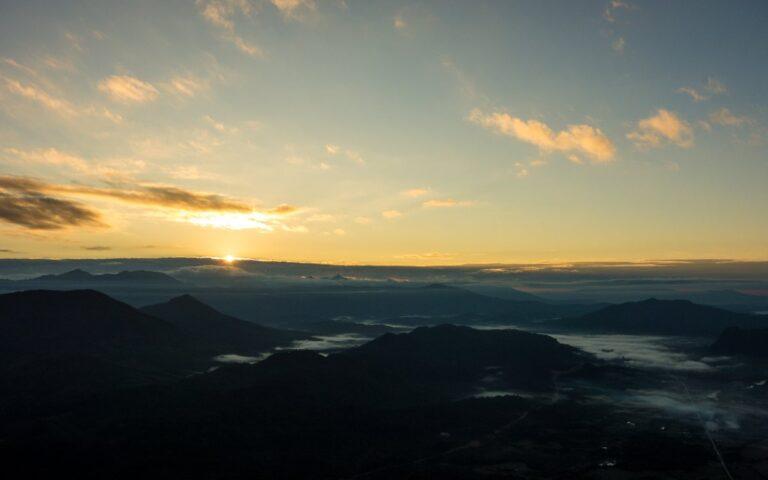
New England weather can turn quickly, and pilots take that seriously. Every flight decision starts with a pre-dawn look at wind speed, wind direction at different altitudes, visibility, and the likelihood of ground fog, which is common on cool autumn mornings near rivers and lower elevations. If conditions are not right, a flight gets rescheduled rather than flown. That caution is exactly why sunrise is the preferred launch window in fall: winds are typically at their calmest right after sunrise, before the day’s heating begins to stir the air.
This is also why fall foliage balloon flights are almost always scheduled as early morning outings. Passengers should expect an early alarm, a flexible plan in case of a weather hold, and a launch time that shifts along with sunrise as the season progresses.
Planning a Fall Foliage Hot Air Balloon Ride
A few practical notes make the experience smoother for first-time flyers:
- Dress in layers. Mornings can be near freezing at launch and warm up quickly once the sun is up.
- Wear closed-toe shoes suitable for standing in a basket and walking across a field at landing.
- Build in flexibility. Because flights depend on wind and visibility, having a backup morning or two increases the odds of flying during peak color.
- Arrive ready for a full morning. Between setup, the flight itself, and the traditional post-flight toast, plan for two to three hours total.
Because peak foliage weekends are the most requested mornings of the year, it is worth booking well in advance. If you are ready to put a date on the calendar, you can see current flight options and book a sunrise balloon ride for the fall season.
A Tradition Rooted in New England Ballooning
Hot air ballooning has a long history in New England, and the sport’s calm-morning, scenic-flight tradition fits naturally with the region’s autumn landscape. Massachusetts pilots have long treated foliage season as the highlight of the flying calendar, timing launches to catch color at its peak across the state’s hills and river valleys. Riding along on one of these mornings connects you to that same tradition: an early wake-up, a quiet launch, and a slow drift across a landscape at its most colorful.
Frequently Asked Questions
When is peak foliage season for balloon rides in Massachusetts?
Color typically builds through late September and peaks somewhere between the first and third week of October in central Massachusetts, though the exact timing shifts a bit each year depending on temperature and rainfall.
What time do fall balloon flights launch?
Nearly all fall flights launch at or just after sunrise, since that is when winds are calmest. As the season progresses and sunrise gets later, launch times shift later as well.
What happens if the weather does not cooperate?
Safety comes first. If wind, visibility, or fog conditions are not suitable, the flight is rescheduled rather than flown. This is normal in ballooning and is why it helps to have a flexible date or two available during foliage season.
Do I need any experience to fly?
No experience is necessary. A crew member briefs every passenger before launch, and the pilot handles all the flying. It is a relaxed, standing-room experience rather than anything physically demanding.
Fall in Massachusetts does not last long, and neither does the calm, colorful window that makes for the best ballooning of the year. If the hills near Worcester are on your list this autumn, a sunrise flight is one of the few ways to see the whole season at once.