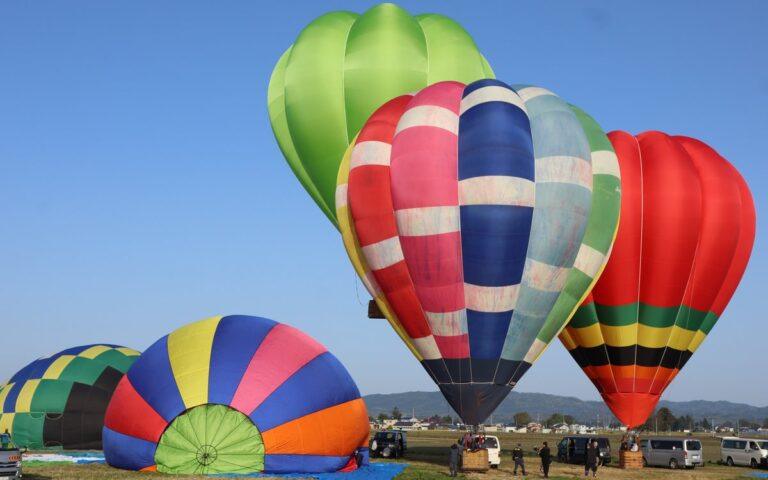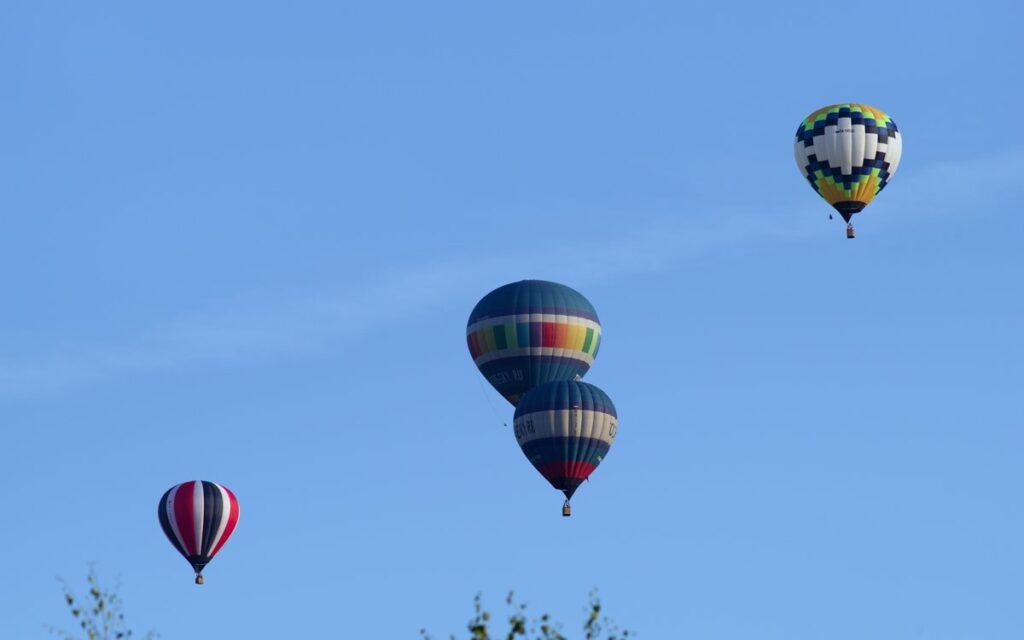
Ask any pilot in New England and you’ll get the same answer: the hot air balloon season in New England is short, sweet, and tied tightly to the region’s weather patterns. If you’ve ever wondered why balloon rides seem to vanish for months at a time or why every flight seems to happen at sunrise, the answer comes down to wind, temperature, and the particular way air behaves over New England’s hills, valleys, and coastline.
Here’s what actually determines the season, when to book, and how to make the most of it.
What Defines Hot Air Balloon Season in New England
Hot air balloons need calm, stable air to fly safely. That single requirement shapes almost everything about when flights happen. In New England, the calmest air of the year typically arrives from May through October, with the sweetest stretch usually falling in late summer and early fall, when cool mornings settle in but the ground hasn’t gone cold yet.
Outside that window, the atmosphere over New England tends to get more turbulent. Winter brings strong jet-stream winds and unpredictable fronts. Early spring can swing from balmy to blustery in the same week. Pilots watch these patterns closely, because a flyable morning depends on more than just clear skies — it depends on wind staying under a few miles an hour from the ground up through a few thousand feet.
Why Mornings Matter So Much
- Winds are almost always calmest in the first hour or two after sunrise, before the sun heats the ground unevenly and stirs the air.
- Temperature inversions overnight create a stable “lid” that keeps thermals from forming until later in the day.
- Visibility is typically best at dawn, before haze or afternoon cloud buildup sets in.
That’s why nearly every commercial balloon flight in the region, including sunrise balloon rides with Wicked Balloons, launches within an hour or so of sunrise. It isn’t tradition for its own sake — it’s simply when the air cooperates.
The Best Months for Hot Air Balloon Season New England Pilots Rely On
If you’re planning a flight, aim for the heart of the season rather than its edges. Here’s a general breakdown of what to expect:
- May and June: Flyable mornings return as spring storms taper off, though weather can still be changeable early in the month.
- July and August: Warm, humid air can bring afternoon thunderstorms, but mornings are frequently calm and reliable, making this a dependable stretch for flying.
- September and October: Many pilots consider this the finest window of the year. Cooler, drier air masses move in, humidity drops, and the New England foliage turns the countryside below into a patchwork of color.
Balloon festivals across the region tend to cluster in this same window for exactly this reason — organizers are chasing the same stable air that makes for good flying and good crowds. Events like the Adirondack Balloon Festival in upstate New York, held every Labor Day weekend, are a good example of how tightly festival scheduling follows the calendar’s calmest stretch.
Why New England’s Geography Shapes the Season
New England’s mix of coastline, river valleys, and rolling hills creates its own weather quirks. Sea breezes can stir up unpredictable wind shifts closer to the coast, while inland valleys — like much of Central Massachusetts around Worcester — tend to hold calmer air longer into the morning. That’s part of why this region has long been a good home base for ballooning: the terrain offers pockets of stable air even when conditions elsewhere are more marginal.
Elevation changes also matter. A balloon might launch in perfectly still air and then catch a gentle breeze a few hundred feet up, which is actually part of the appeal — pilots read the wind at different altitudes to steer the flight path without ever touching a rudder or wheel.
What Happens During the Off-Season
Winter doesn’t ground everything. Some experienced pilots do fly on the rare crisp, windless winter morning, but these opportunities are unpredictable and far less common, since cold fronts and jet-stream winds move through much more frequently. Most balloon companies use the winter months for other work instead: envelope inspections, basket maintenance, crew training, and — for companies like Wicked Balloons that also build custom and special-shape balloons — new construction projects.
It’s also when a lot of the behind-the-scenes planning for the coming season happens, from scheduling festival appearances to prepping equipment for the first flights of spring.
How to Plan Around the Season
Because good flying mornings are weather-dependent even within the season, flexibility matters more than picking an exact date. A few tips:
- Book earlier in the week if possible — most operators offer several flight windows and can move you to a better morning if weather doesn’t cooperate.
- Expect early wake-up calls. Sunrise launches mean meeting well before dawn, especially in midsummer when the sun comes up early.
- Have a rain-or-wind date in mind. Reputable operators reschedule for safety rather than flying in marginal conditions, so building a little slack into your trip pays off.
- If you’re chasing foliage colors, plan the whole trip around late September into mid-October rather than pinning it to one weekend, since peak color shifts slightly year to year.
Ready to see it for yourself? You can check current availability and reserve a flight for the upcoming season.
Frequently Asked Questions
When does hot air balloon season start in New England?
Most operators begin regular flights in May, once spring storm systems become less frequent and mornings settle into calmer patterns. Some pilots fly earlier on exceptionally still days, but May is generally when scheduled flights resume in earnest.
What is the best month to go on a balloon ride in New England?
September and October are widely considered the best months. Cooler, drier air tends to produce more stable mornings, and the fall foliage adds a dramatic backdrop that many flyers consider the highlight of the year.
Can hot air balloons fly in the winter?
Occasionally, on a rare calm winter morning, but it’s uncommon. Winter’s stronger and more frequent winds make consistent scheduling impractical, which is why most companies pause passenger flights until spring.
Why do hot air balloon rides happen so early in the morning?
Winds are typically calmest in the hour or so after sunrise, before the sun warms the ground unevenly and stirs up thermals and gusts. Flying early gives pilots the smoothest, most predictable air of the day.
New England’s balloon season is brief by the calendar but reliable in its rhythm — calm mornings, cooperative weather, and a handful of months where the sky truly delivers. Plan around that rhythm, and a sunrise flight becomes less about luck and more about simply showing up at the right time of year.