Is a hot air balloon ride scary? It is the question we hear most often from first-timers standing in a dark field before dawn, watching a nylon envelope the size of a house slowly fill with warm air. The honest answer: for almost everyone, the nerves fade fast, and what replaces them is one of the calmest, most unexpectedly peaceful experiences you will ever have off the ground.
If you are booking a sunrise flight with us here in Worcester and your stomach is doing a little flip just thinking about it, you are in good company. Let’s talk through what actually happens, why the fear rarely matches the reality, and what you can expect on launch morning.
Why People Assume a Hot Air Balloon Ride Is Scary
Most of the anxiety around ballooning comes from comparing it to things it is not. It is not skydiving. It is not a rollercoaster. It is not even much like being in a small plane during turbulence. The fear usually traces back to one of three things:
- Height itself – the idea of standing in an open basket rather than a sealed cabin.
- Lack of control – not being the one steering, and not fully understanding how a pilot manages the flight.
- Unfamiliarity – most people have never even seen a balloon launch up close, let alone flown in one.
Once you understand what is actually happening beneath that envelope, most of that unease has nowhere to go.
What a Hot Air Balloon Ride Actually Feels Like
Here is the part that surprises almost every first-time passenger: there is no wind rushing past your face, no lurching, and no sense of falling. Because the balloon moves with the wind rather than against it, you are floating inside the same air current the whole time. The basket does not sway the way a boat rocks on waves. Most passengers describe the sensation less as flying and more as the ground quietly sliding away beneath them.
The loudest moment of the entire flight is the burner, and even that is intermittent and expected – your pilot uses it in controlled bursts to maintain altitude, not as some jarring surprise. Between bursts, it is often silent enough to hear roosters, dogs, or conversations from the fields below.
The Launch Is Gentler Than You Think
Liftoff itself is almost anticlimactic in the best way. There is no runway sprint, no sudden jolt. The balloon simply becomes light enough to leave the ground, and you rise a few feet at a time. Many first-timers say they were still waiting to feel “the scary part” a full ten minutes into the flight, only to realize it had already happened – painlessly.
Is a Hot Air Balloon Ride Scary for People Afraid of Heights?
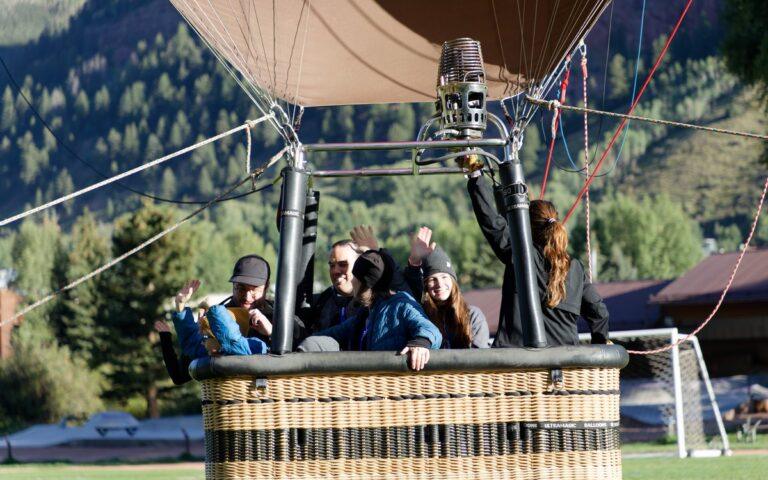
This is the question we field constantly, and it deserves a direct answer: most people who are uneasy with heights find ballooning far more manageable than they expect. Fear of heights is often tied to the sense of edges, exposed footing, or the possibility of falling – think ladders, cliff edges, or glass elevators. A balloon basket is different. You are standing on a solid, waist-high woven basket that feels sturdy and enclosed, with nothing moving unexpectedly beneath your feet.
Because there is no sensation of speed or sudden drops, many passengers say ballooning feels less intense than looking down from a tall building, even though you are higher up. That said, if you have a severe height phobia, it is worth mentioning to your pilot ahead of time – our team is glad to talk you through what to expect before you ever step into the basket.
Balloon Safety: What Your Pilot Is Actually Doing
A calm flight is not luck – it is the result of careful planning long before you arrive. Commercial balloon pilots in the United States are certified and regulated by the FAA, and flights are only scheduled during the calm, stable air of early morning, which is exactly why sunrise rides are the industry standard rather than a marketing choice. Pilots check wind patterns, temperature, and visibility before ever inflating the envelope, and they will postpone or cancel a flight rather than fly in conditions that are not ideal.
Hot air ballooning has a long history dating back to the Montgolfier brothers’ first public demonstration in France in 1783, and the sport has been refined for more than two centuries since. Modern envelopes, burners, and baskets are the product of that long evolution, and the pilots flying them today train extensively before ever taking passengers up.
Tips for Calming First-Flight Nerves
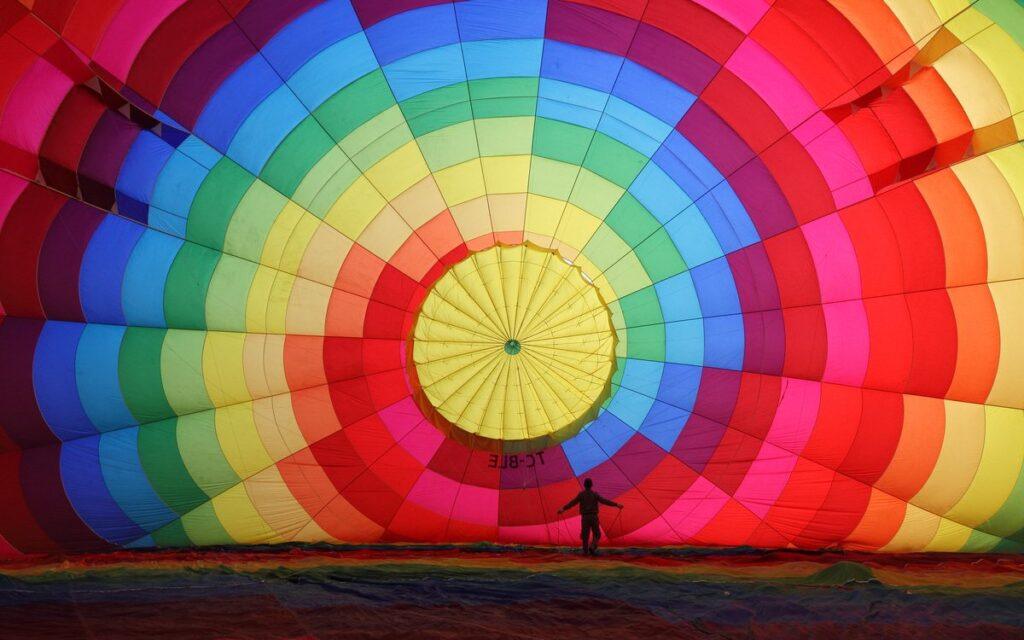
- Arrive early and watch the inflation process – seeing the balloon take shape gradually demystifies the whole experience.
- Ask your pilot questions before launch. Understanding the “why” behind each step reduces uncertainty.
- Wear layers and comfortable shoes so you are focused on the view, not the weather.
- Remind yourself that the ride is gradual by design – nothing about a balloon flight happens suddenly.
If you are ready to see for yourself, you can check available sunrise dates and reserve your flight directly online.
Frequently Asked Questions
Is a hot air balloon ride scary if I am afraid of flying in airplanes?
Often, no. Airplane anxiety is usually tied to turbulence, engine noise, and speed. A balloon flight has none of those – no vibration, no rapid acceleration, and a gentle, floating quality that many nervous flyers find surprisingly soothing.
What happens if the weather turns bad mid-flight?
Pilots monitor conditions continuously and plan landings well ahead of any changing weather. Because sunrise flights launch during the calmest part of the day, sudden weather shifts mid-flight are rare, and pilots are trained to land safely and efficiently whenever conditions call for it.
How high do hot air balloons actually fly?
Altitude varies throughout a flight depending on wind layers and the views the pilot wants to show you, but many of the most memorable moments happen at lower altitudes, gliding just above treetops and farmland, not at extreme heights.
Can I back out if I get nervous right before launch?
Absolutely. Our crew would rather you feel completely comfortable than feel pressured. Talk to your pilot on launch morning – they answer nervous-flyer questions all the time and can help you decide if you are ready.
The nerves before your first flight are completely normal, and nearly every passenger who has felt them will tell you the same thing afterward: the fear was the hardest part, and the flight itself was the easy part. Come watch the sun rise over New England from somewhere most people never get to see it.