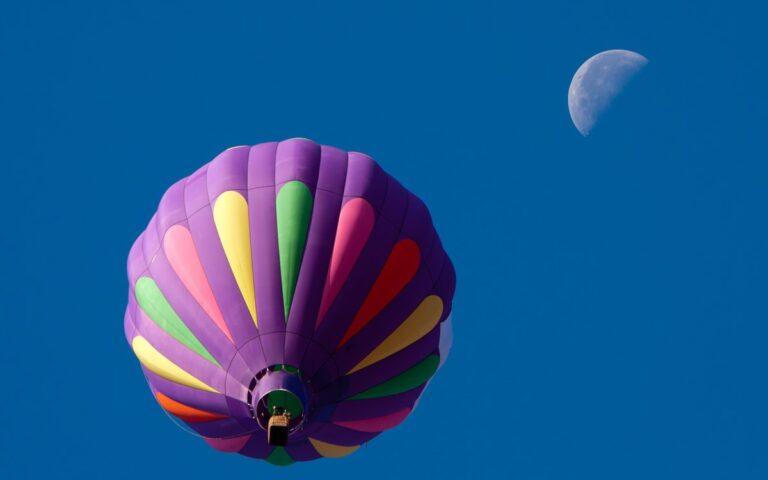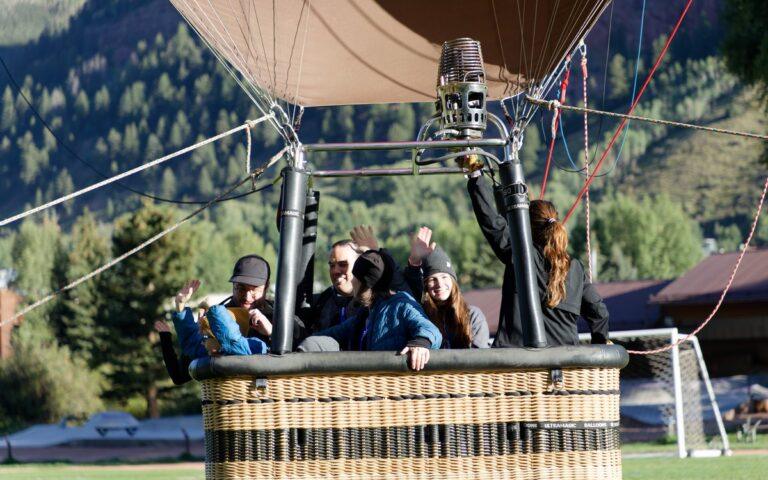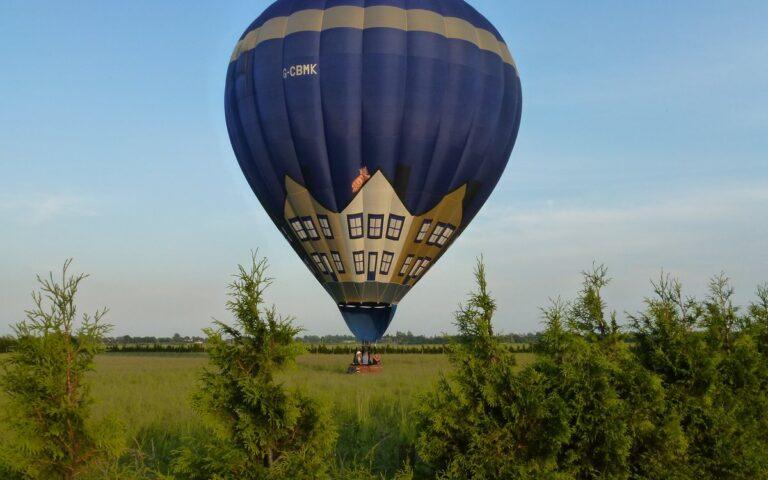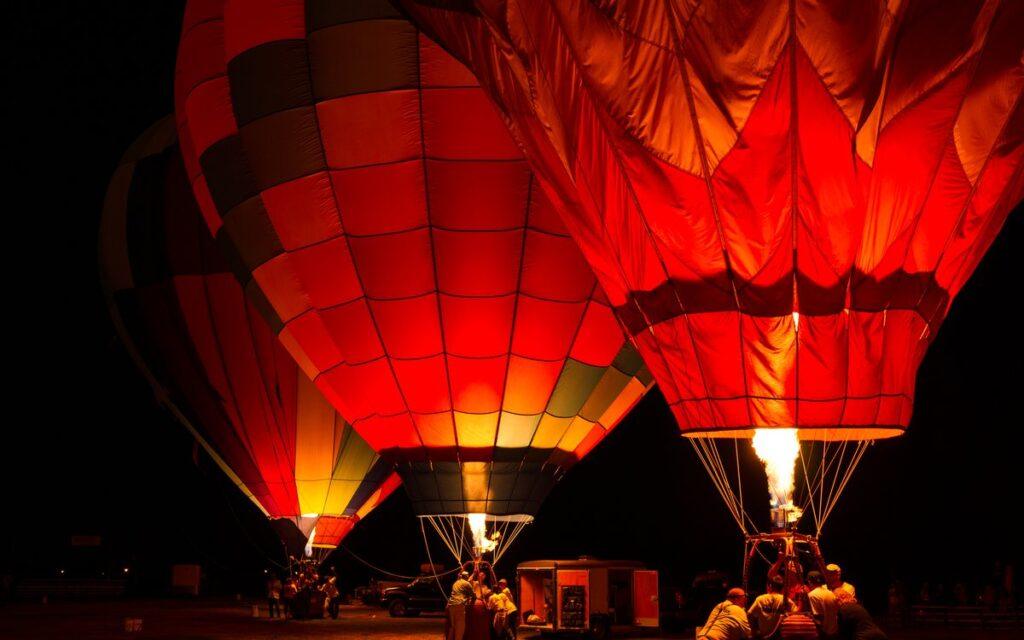
If you’re wondering about the best time of day for a hot air balloon ride, the honest answer is that the sky itself decides for you. Hot air balloons fly at dawn and, less often, in the evening near sunset, because those are the windows when the atmosphere settles down enough to fly safely. But between those two options, pilots and passengers alike tend to have a favorite, and the differences are worth understanding before you book.
At Wicked Balloons, we launch sunrise flights over Central Massachusetts and New England all season long. Here’s what actually separates a morning liftoff from an evening one, and how to pick the one that fits you.
Why Balloons Fly at Dawn and Dusk in the First Place
Hot air balloons drift with the wind, so pilots need calm, predictable air to fly safely. During the heat of a summer afternoon, the sun warms the ground unevenly, which stirs up thermals, gusty winds, and turbulence near the surface. As the sun rises or sets, that heating effect fades, the air cools and stabilizes, and winds near the ground typically settle into a gentle, steady flow. This period of calm, sometimes called the “diurnal wind minimum,” is why nearly every commercial balloon operator in the country flies only near sunrise and, when conditions allow, near sunset.
This is also the root of the question so many first-time flyers ask us: what is the best time of day for a hot air balloon ride? The real answer is “whichever calm window is flying that day,” but each option has its own personality once you’re airborne.
The Case for Morning Flights
Sunrise is the classic choice, and for good reason. The air is at its calmest right after dawn, which tends to make for the smoothest, most predictable flights of the day. There’s also something undeniably special about watching a New England landscape wake up from a few hundred feet in the air: mist lifting off ponds, farmland turning gold, church steeples catching the first light.
- Cooler morning air is denser, which helps the balloon’s lift and can make for efficient, graceful flying.
- Wildlife tends to be more active at dawn, so you may spot deer, wild turkeys, or hawks along the way.
- Morning flights are far less likely to be scrubbed for afternoon thunderstorm buildup, which is common in New England summers.
- You’re done and having breakfast while most of the day still lies ahead of you.
The tradeoff is the early alarm clock. Sunrise flights mean arriving at the launch field well before dawn, so this is the choice for people who don’t mind trading a little sleep for calm skies and quiet landscapes.
The Case for Evening Flights
When conditions cooperate, an evening flight near sunset offers a different kind of magic. The light is warm and low, throwing long shadows across the fields and rivers below, and there’s a romantic, slow-motion quality to watching the sun go down from a balloon basket. Evening flights are a favorite for anniversaries, proposals, and date nights, since they naturally lead into a relaxed dinner afterward rather than an early bedtime.
The catch is that summer evenings in New England are more likely to have residual afternoon heating, gusty leftover thermals, or approaching storm systems that push the calm window later or cancel it outright. Evening flights are wonderful when they go, but they get weathered out more often than sunrise flights.
Best Time of Day for a Hot Air Balloon Ride: Season Matters Too
The calendar changes the equation as much as the clock does. In spring and fall, cooler ground temperatures mean the calm window can be more forgiving, and both morning and evening flights are common. In peak summer, the afternoon heat lingers longer into the evening, which is part of why most operators, including us, lean on sunrise as the dependable default. If your schedule is flexible, ask your pilot which season and time combination is giving the most reliable flying in the weeks around your trip.
What About Wind, Not Just Time?
Time of day is really a proxy for wind behavior. A calm evening in October can out-fly a marginal sunrise in July. That’s why any responsible balloon company makes the final call the morning or afternoon of your flight, once the pilot has current wind and weather data in hand, rather than locking in a launch decision days in advance.
How to Decide Which Flight to Book
If you’re torn between the two, think about what you actually want out of the experience:
- Want the highest odds of your flight actually happening as scheduled? Choose morning.
- Want a slower, golden-light experience built around a special occasion? Choose evening, with a flexible backup plan in mind.
- Traveling with kids or an early riser in the group? Morning tends to be easier logistically once you’re back on the ground with the whole day ahead.
- Planning a proposal or anniversary surprise? Evening’s mood is hard to beat when the weather cooperates.
Whichever you choose, book through our reservations page and build in a flexible day or two around your date. Because balloon flights are entirely weather-dependent, every operator worth flying with reserves the right to reschedule for safety, and having wiggle room in your travel plans is the single best way to make sure you actually get in the basket.
Frequently Asked Questions
Can hot air balloons fly in the middle of the day?
Almost never for passenger flights. Midday heating creates thermals and unpredictable surface winds that make ballooning unsafe, which is why the industry standard is to fly only in the calm windows near sunrise and sunset.
Is a morning or evening balloon ride better for photos?
Both offer beautiful light, but many photographers favor sunrise for its soft, cool tones and the added bonus of ground fog or mist in low-lying areas. Sunset flights offer warmer, golden hues and dramatic long shadows.
What happens if my flight gets weathered out?
Your pilot will reschedule you for the next available window with suitable conditions. This is standard practice across the industry and is about passenger safety, not company policy, so we recommend booking with some flexibility in your calendar.
Do sunrise flights require a very early start?
Yes. Since balloons launch as close to first light as possible, guests typically arrive at the launch field well before dawn for a safety briefing and inflation. It’s an early morning, but most flyers say the sunrise views make it worthwhile.
However you choose to fly, the sky over New England looks different at every hour, and there’s no wrong answer between a quiet sunrise and a golden sunset. The only real requirement is a little flexibility and a good night’s sleep beforehand, so reserve your spot and let the weather do the rest.