If you’ve ever pulled into a dark, dewy field before sunrise and watched a balloon crew unload a trailer full of what looks like folded parachute silk and a wicker basket, you’ve probably wondered how does a hot air balloon launch actually come together in under an hour. It looks like magic from the parking lot, but it’s really a tight, practiced sequence that our crew at Wicked Balloons runs the same way every single flight morning across New England. Here’s what’s actually happening, step by step.
It Starts With the Weather, Not the Balloon
Long before anyone unrolls a balloon, the pilot has already checked wind speed, wind direction at multiple altitudes, visibility, and the forecast for the next few hours. Hot air balloons only fly in calm, stable conditions, generally at dawn or in the couple of hours before sunset, when the air is coolest and least turbulent.
This is why balloon rides get scheduled and rescheduled so often. A pilot who scrubs a flight isn’t being overly cautious, they’re following the same judgment that has kept ballooning a remarkably safe way to fly for well over two centuries. If you’re planning a trip, it helps to build a little flexibility into your morning, and our reservations page walks you through how the weather-hold and rebooking process works.
Choosing and Reaching the Launch Site
Once conditions look good, the pilot picks a launch field, often a farm, orchard, or open meadow the company has an ongoing relationship with. Balloon pilots don’t fly a fixed route the way an airplane does; instead they read the wind and pick a launch point that should carry the balloon toward a safe, open landing area later in the flight.
Passengers typically meet the crew at a central location and caravan out to the actual field together, since the exact spot can shift day to day depending on which way the wind is blowing.
How Does a Hot Air Balloon Launch Get Set Up? The Unpacking and Inflation
This is the part guests love watching, and it happens fast. The crew works through a set order:
- Basket and burners first. The wicker basket is laid on its side, the burner frame is attached, and fuel lines and instruments are checked.
- Balloon envelope unrolled. The balloon fabric, called the envelope, is stretched out flat on a tarp downwind of the basket so it can fill without dragging on the ground.
- Cold inflation. A large gas-powered fan blows ambient air into the envelope first. At this stage the balloon is just a giant cool-air sock lying on the ground, easy to fill without wasting propane.
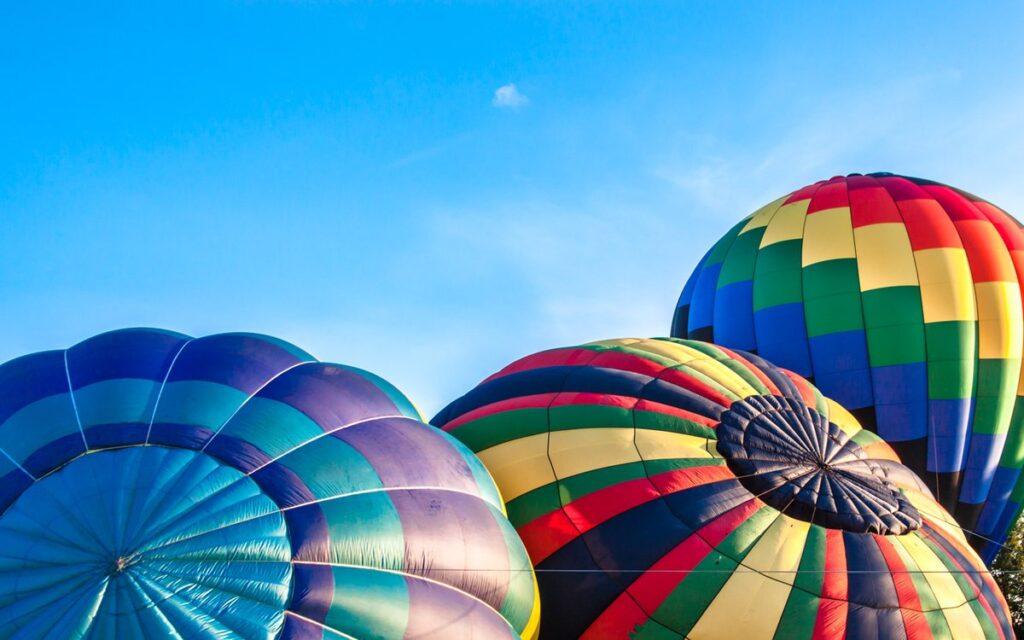
- Hot inflation. Once there’s enough air inside to give the burner something to push against, the pilot fires short, controlled bursts of flame into the envelope. As the air heats, it becomes lighter than the air outside, and the balloon slowly stands itself upright.
Watching a balloon go from a flat pile of fabric to a fully upright shape towering several stories high, in just a few minutes, is one of the best parts of showing up early. Most passengers help steady the basket or hold the crown line during this stage if they’d like to.
Final Checks and Boarding
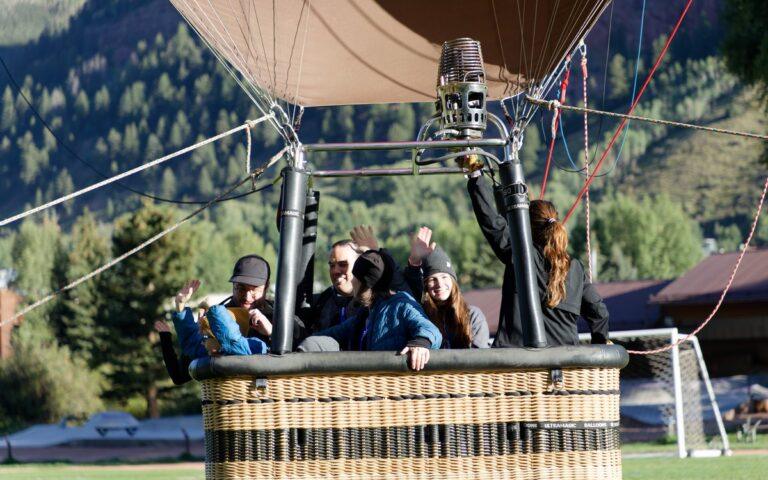
With the envelope standing and the burner keeping it buoyant, the pilot runs a last check of the instruments, fuel level, and radio, and confirms wind direction one more time before anyone climbs in. Guests board the basket while it’s still tethered lightly to the ground crew, usually stepping over the side with a boost from the crew if needed.
The pilot gives a short safety briefing covering landing position, what to hold onto, and what to expect, then signals the ground crew to let go.
Liftoff
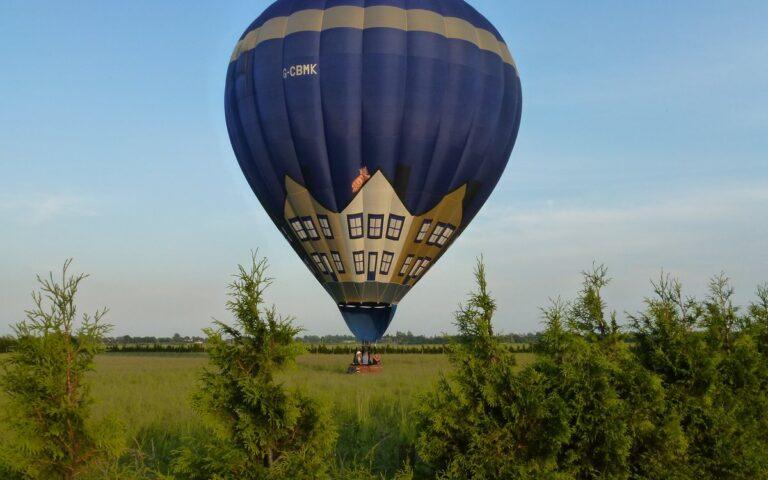
This is the answer to how does a hot air balloon launch actually leave the ground: the pilot simply adds enough heat that the balloon becomes lighter than the surrounding air, and it rises on its own, no runway, no dramatic acceleration. One moment you’re standing in a dewy field, and the next you’re rising silently above the treetops with the ground crew waving from below.
Because the balloon moves with the wind rather than against it, there’s no wind noise in the basket once you’re aloft. Conversation happens at a normal volume, punctuated occasionally by the whoosh of the burner as the pilot adds heat to climb or lets the balloon cool slightly to descend.
What the Chase Crew Is Doing
While you’re floating, a ground crew is tracking the balloon by vehicle, staying in radio contact with the pilot and scouting the direction the flight is drifting so they can meet you at the eventual landing spot. This same crew handled the inflation and will handle the pack-up, so most Wicked Balloons flights run with the same small team from unpacking to the traditional post-flight toast at the end.
Coming Back Down
Landing is a matter of finding a suitable open field along the flight path and gently reducing altitude to set the basket down, often with the pilot bringing the balloon in low enough that passengers can see the exact touchdown spot approaching. The crew, following by road, arrives shortly after to help deflate the envelope, pack everything back into its bags, and load the trailer, closing the loop on the same sequence that started the morning.
Frequently Asked Questions
How long does the whole process take from arrival to landing?
Setup and inflation typically take about 30 to 45 minutes, the flight itself usually runs about an hour, and pack-up after landing takes another 20 to 30 minutes. Plan for a morning commitment rather than a quick errand.
Why do balloon flights only happen near sunrise or sunset?
The air is calmest and most stable during these windows. Midday heating creates thermals and gusty, unpredictable wind that make for a rougher and less controllable flight.
Can a launch be canceled after I’ve already arrived at the field?
Yes, and it’s a normal part of ballooning rather than a rare inconvenience. Conditions can shift between the initial forecast check and the actual launch window, and a cautious pilot will call off an inflation that’s already underway if the wind picks up. Most companies, including ours, will get you rebooked on the next available date.
Do I need any special clothing or gear to fly?
Closed-toe shoes and layers appropriate for a cool morning are about all you need. The basket provides plenty to hold onto, and the crew will brief you on landing position before you ever leave the ground.
Once you’ve seen a launch unfold once, the whole thing stops feeling mysterious and starts feeling like the elegant, low-tech choreography it really is: fabric, fire, and a genuine reading of the wind. If you’d like to see it firsthand over the New England countryside, our reservations page has the current schedule and everything you need to book a sunrise flight.